
Why Focus on High‑Protein Vegetarian Meals?
Protein is a vital nutrient our bodies need for building and repairing tissues, supporting muscles, keeping energy levels stable, and keeping us full between meals. For vegetarians — especially those who don’t eat meat — it’s important to plan meals carefully to meet daily protein needs. Many plant-based foods like legumes, beans, dairy (or dairy alternatives), tofu/soya, whole grains, nuts and seeds are excellent sources of protein. (NDTV Food)
High‑protein vegetarian meals are not just nutritious: they can also be delicious, satisfying, and surprisingly easy to prepare. Whether you want to build muscles, maintain energy, or simply eat healthy, these meals help you get enough protein without meat.

In this post, I’ll walk you through easy meal options — from Indian classics to global bowls — that are high in protein, simple to cook, and friendly for everyday life.
What Makes a Vegetarian Meal High‑Protein?
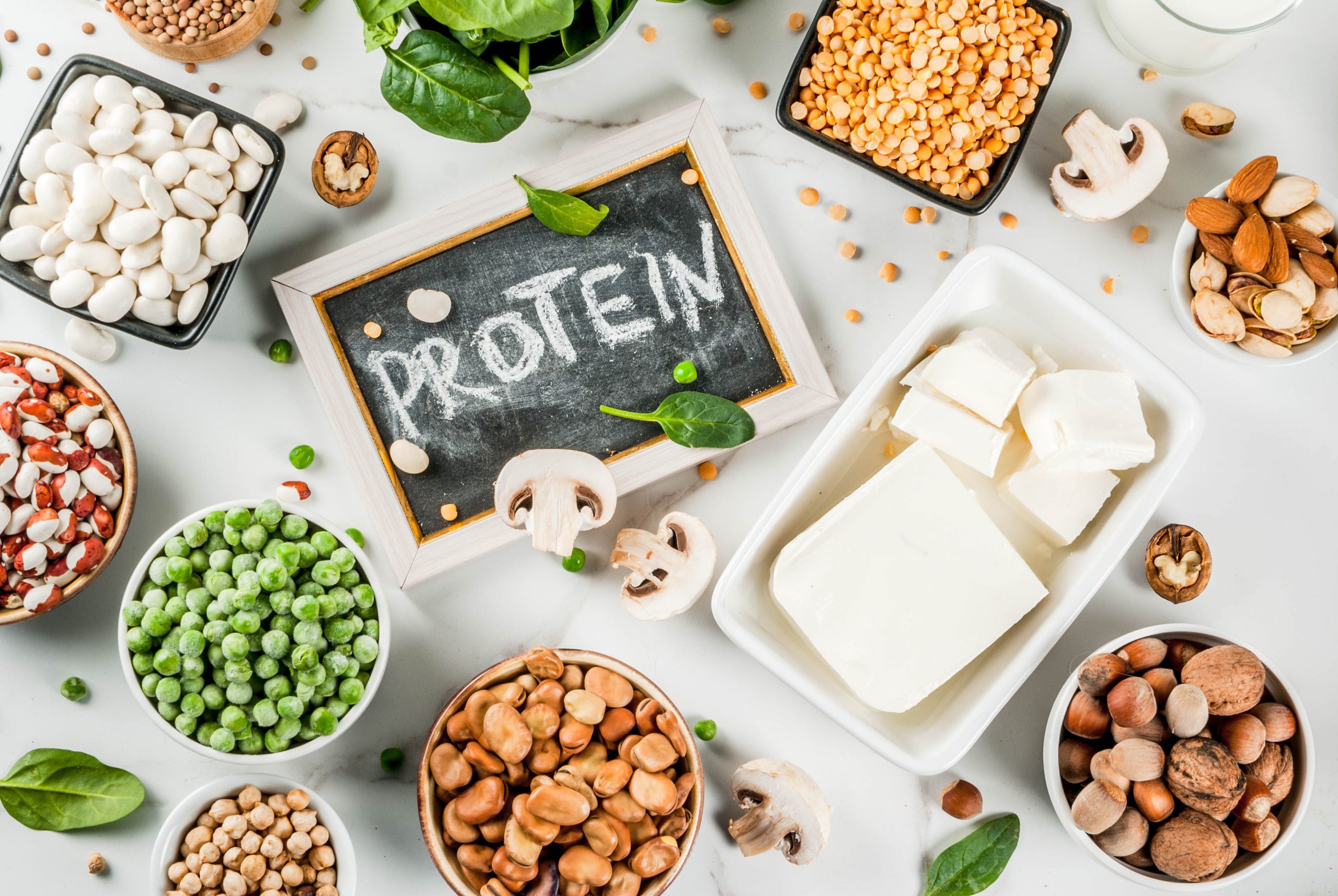
A vegetarian meal becomes protein‑rich when it includes ingredients like:
-
Legumes & pulses (lentils, chickpeas, kidney beans, mixed dals) — staples in many vegetarian diets worldwide. (ToneOp Eats)
-
Dairy or dairy‑derived products (paneer, cottage cheese, yogurt) — these add quality protein and also calcium. (Good Housekeeping)
-
Soy products: tofu, soya chunks, tempeh — versatile, high protein, and adaptable to many cuisines. (Kitchen Advising)
-
Whole grains and protein‑rich grains (quinoa, brown rice, whole wheat, millet) — combining grains + legumes helps round out amino acids. (Grace Ur Health)
-
Nuts, seeds, and healthy fats — almonds, cashews, peanuts, seeds, etc. add protein, healthy fats and a satisfying crunch. (Nourish, Move, Love)
Also — mixing different protein sources (e.g. beans + grains, paneer + vegetables, lentils + whole grains) helps ensure you get more balanced nutrition. (Kitchen Advising)
With these in mind, you can build meals that provide 15–30 grams (or more) of protein per serving — enough to support energy, growth and satiety. (Good Housekeeping)
Easy High‑Protein Vegetarian Meal Ideas
Here are some tasty, easy-to-make meals — Indian and global style — that are high in protein and doable even on busy days.
Classic Dal / Mixed Dal + Whole Grain Roti or Rice
A simple dal — or a mix of dals — remains a go-to for vegetarians. For example, a mixed dal tadka (using toor, chana, moong, masoor etc.) provides good protein and pairs nicely with whole‑wheat roti or brown rice. (Cult.fit Blog)
This kind of meal is nutritious, filling and deeply rooted in South Asian cooking. It’s also easy to cook: most dals cook quickly, especially if you soak them beforehand.
Paneer/ Soya / Tofu Curries or Stir‑fries
Using paneer or tofu (or soya chunks) is one of the most convenient ways to up protein. For instance:
-
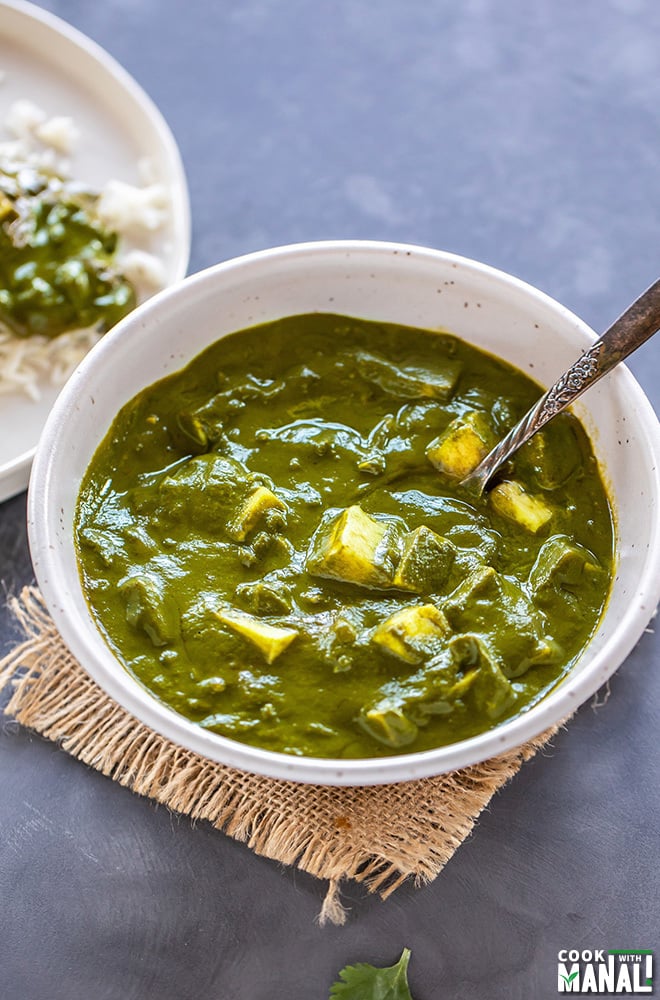
A curry with paneer and peas (like a variation of “matar‑paneer”) gives good protein along with tasty Indian flavors. (NDTV Food)
-
Soya‑keema (minced soya chunks with spices) is another fast, protein-packed option, great with chapati or rice. (NDTV Food)
-
Stir‑frying tofu (or tempeh) with veggies and serving with quinoa or brown rice makes a balanced, protein-rich bowl. (Kitchen Advising)
These meals are flexible: you can alter spices, veggies, or grains depending on what you have at hand.
Legume‑Grain Bowls & Salads
Bowls made with a mix of legumes, grains and fresh vegetables — like black bean‑quinoa bowls, chickpea‑lentil salads, or bean‑rice “skillets” — are filling, nutritious and high in protein. (Grateful Grazer)
For example, a black bean rice skillet is a simple dinner idea that doesn’t take much time but gives substantial protein and fiber. (Good Housekeeping)
Similarly, salads combining beans/chickpeas with cottage cheese or paneer, and fresh veggies give you both protein and vitamins in a light but satisfying meal. (Nourish, Move, Love)
Soups & Stews with Pulses / Beans / Lentils
Soups and stews are comforting, easy to digest and often very protein-dense when they include beans or lentils. Think black bean soup, lentil soups, or mixed legume stews. (vitalappetite)
You can add vegetables, spices, herbs, even a swirl of yogurt or paneer cubes — to add flavor and extra nutrients. These dishes are ideal during colder weather or when you want something light yet filling.
Quick Breakfast or Snack‑Style High‑Protein Meals
Protein-rich breakfasts help kickstart the day with energy and fullness. Options like scrambled paneer or tofu with veggies, cottage‑cheese wraps, or even a bowl of chickpeas with whole‑grain toast can give you a protein boost in the morning. (InstructorLive)
Don’t ignore nuts, seeds, and dairy (or dairy alternatives): adding them to your meals or snacks can help meet protein requirements without a big cooking effort. (Grace Ur Health)
A Sample Day of Vegetarian High‑Protein Meals
To give you a practical sense, here’s how a single day of eating might look if you aim for high‑protein vegetarian meals:
-
Breakfast: Cottage‑cheese or paneer scramble with spinach + whole wheat toast (or roti), or a bowl of lentil‑based “upma / porridge” made with pulses and grains.
-
Lunch: Mixed dal tadka + brown rice or whole‑wheat roti + a side salad (beans/chickpeas + veggies).
-
Evening Snack: A bowl of sprouts or chickpeas, or a handful of nuts along with yogurt or lassi.
-
Dinner: Tofu/soya or paneer stir‑fry with veggies + quinoa or brown rice; or a bean‑quinoa bowl; or a legume-based soup/stew with whole‑grain bread.
This kind of spread ensures protein is spread throughout the day rather than being confined to a single meal.
Tips to Make It Easier (and More Sustainable)
When cooking vegetarian high‑protein meals regularly, a few tricks help a lot:
-
Mix protein sources — e.g. legumes + grains, or paneer/tofu + vegetables + whole grains. This gives a more balanced amino acid profile. (Kitchen Advising)
-
Batch‑cook staples — Cook larger batches of dal, beans, or quinoa, store them in fridge/ freezer; this saves time on busy days. (Kitchen Advising)
-
Use seasonal and available ingredients — Vegetables, pulses, paneer or tofu, grains — depending on what’s easily available, you can vary recipes and keep meals interesting.
-
Don’t ignore dairy / cottage cheese / yogurt — For vegetarians who consume dairy, these are simple and accessible ways to boost protein. (Good Housekeeping)
-
Spices and flavour matter — Especially in Indian cooking or global fusion — good spices, herbs, sauces make even simple dal-rice or bean-bowl meals enjoyable and satisfying.
Common Misconceptions — And Reality Check
Some people believe vegetarian meals can’t provide enough protein or that they’ll always be “boring”. But that’s not true. It’s entirely possible to get 15–30g (or more) protein per meal using whole-foods alone. (Good Housekeeping)
Another misconception: beans/vegetarian proteins are “incomplete”. Actually, by combining legumes with grains (rice, wheat, quinoa, etc.), you get a more complete amino‑acid profile. (Kitchen Advising)
Also — high‑protein vegetarian meals don’t have to be complicated or time‑consuming. Many dishes 👉 dal, bean bowls, paneer/stir‑fry, soups — can be prepared quickly or prepped ahead of time.
Why This Matters: Health, Energy, and Sustainable Living
Choosing vegetarian high‑protein meals is not just about hitting protein numbers. It also supports long-term health, consistent energy levels and sustainable eating habits. Plant-based proteins come with fiber, vitamins, minerals, and — often — lower saturated fat compared to heavy meat‑based meals.
For people who exercise, train, or just lead a busy lifestyle, having adequate protein helps with muscle repair, satiety, stable energy and overall well‑being. And for those trying to eat ethically or sustainably, vegetarian high-protein meals offer a way to get nutrition without relying on meat.
Final Thoughts
Eating vegetarian doesn’t mean compromising on protein or flavour. With a bit of planning — combining pulses, grains, dairy or soy, and vegetables — you can build meals that are nutritious, satisfying, and easy to make. From quick dal‑roti lunches to hearty bean‑quinoa bowls or stir‑fried tofu dinners — there are endless possibilities.
If you’re new to high‑protein vegetarian cooking, start simple: pick one or two staple meals (like dal + roti, or bean bowl, or paneer curry) and build from there. Once you get comfortable, you’ll realize vegetarian cooking can be varied, delicious, and deeply nourishing.
I hope this guide helps you enjoy tasty, protein‑rich vegetarian meals every day.