
If you’re new to saving money, the idea can seem daunting. You might think — “I don’t make much,” or “I have too many expenses already.” But the good news is: you don’t need a lot of money to build a habit of saving. What you need is consistency and a plan. That’s where a savings challenge comes in — a fun, practical, and motivating way to build a savings habit. In this post, I explain what a savings challenge is, why it works, and how you can start one today (even if you’re on a tight budget).
What is a Savings Challenge?
A savings challenge is like a small game you play with your own money — a plan that gives you simple rules about when and how much to save. Instead of pretending you can save a big chunk at once (which often fails), a savings challenge breaks it down into easy-to-follow steps. Over time, little amounts add up into something substantial.
Many banks and financial experts promote such challenges. For instance: one challenge suggests saving a fixed amount like ₹100 every single day for a year — that leads to ₹36,500 saved. (HSBC India) Another suggestion is to start small — save ₹1 on day one, ₹2 on day two, then ₹3 on day three, and so on; by the end of the year, the total can be significant. (HSBC India)

By turning saving into a habit rather than a sacrifice, these challenges make it easier to stick to.
Why Savings Challenges Work (Especially for Beginners)
1. They make saving manageable
When you’re new, setting aside a large amount feels overwhelming. A savings challenge keeps amounts small and easy to handle. Over time, it’s much easier to keep up because you don’t feel the pinch.

2. They build consistency and discipline
A challenge encourages you to save regularly. Over time, that regularity becomes a habit. Many experts agree — consistent, small savings habits are more sustainable than sporadic big savings. (Chase)
3. The small wins feel motivating
Seeing a piggy‑bank or digital balance slowly grow encourages you. It feels rewarding to track progress, which keeps you going — especially when life gets busy or expenses pile up.
4. It helps you become mindful of spending
When you commit to saving, you often begin to notice where you spend money unnecessarily. Perhaps daily coffees, subscriptions, or little purchases add up — and cutting some of those can free money for savings instead. (Shuteye App)
5. It accommodates different income levels
Whether you’re earning a student stipend or a full salary — savings challenges can be adapted to your budget. You decide how much you save. That flexibility matters.
Simple Savings Challenge Ideas You Can Try (in India or Anywhere)
Here are some challenges that beginners often use — choose one that feels doable for you right now:
-
₹1‑a‑day Challenge: Save ₹1 on day 1, ₹2 on day 2, ₹3 on day 3, and so on. Simple and effective, especially if your budget is tight. (HSBC India)
-
Daily / Weekly Fixed Saving: Decide an amount you're comfortable with — e.g. ₹50, ₹100 or ₹200 — and transfer that to savings every day or every week. Over a month or a year, it adds up. (gadzyo.com)
-
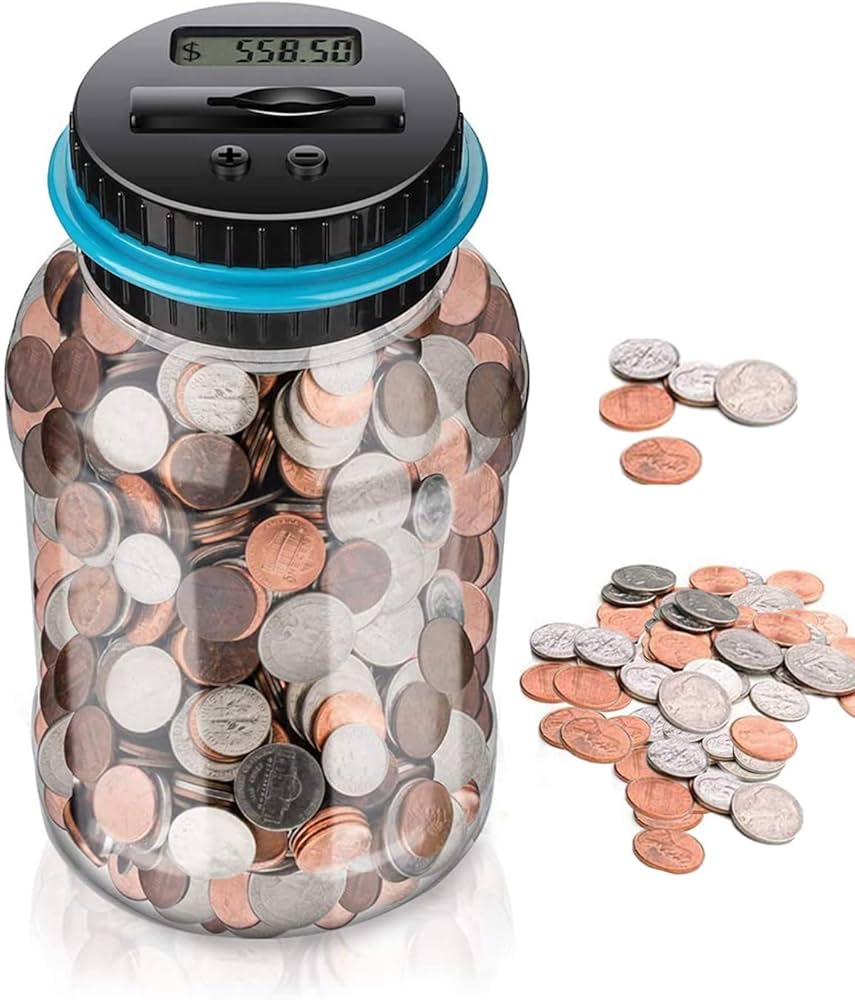
Spare Change or “Jar” Method: Every time you have leftover coins or small change (₹5, ₹10, ₹20, etc.), drop it in a jar. It goes unnoticed in daily life but accumulates over time. (BFC Capital)
-
No-Spend Days / Weekends: Pick a day or weekend in a week when you avoid unnecessary spending. Instead of spending, transfer that “saved” amount to your savings. (Beem)
-
Smart Budget‑Cut Challenge: Review your usual expenses — maybe snacks, take‑outs, subscriptions, or impulsive buys. Try to cut back on one category each week or month, and save the amount cut instead. (Kotak 811)
How to Start Your Own Savings Challenge — A Step-by-Step Plan
Here’s a basic roadmap you can follow. Adjust based on your income and lifestyle:
-
Set a clear goal — why are you saving? For emergency funds, a gadget, travel, or just financial cushion. Having a “why” gives purpose. Experts stress that goal‑setting helps motivation. (MoneyLion)
-
Choose the challenge type — pick a method that suits your budget (above methods can help you decide).
-
Decide frequency and amount — daily, weekly or monthly; fixed or increasing amounts. Keep it realistic.
-
Track your savings — use a jar, notebook, spreadsheet, or a bank account. Visual progress helps reinforce the habit. Many recommend visible reminders. (Bosswallah Blog)
-
Automate if possible — if you get regular income, set automatic transfers or savings each payday. This removes willpower from the equation and makes saving effortless. (Bosswallah Blog)
-
Be consistent, but flexible — life happens; if you miss a day or week, don’t quit. Adjust the plan if needed, and get back on track. Challenges like saving over 52 weeks often allow flexibility in increasing or decreasing amounts. (CBS News)
-
Use saved money wisely — don’t just leave it under a mattress. Ideally deposit it in a savings account, or better yet, invest or use it for a meaningful purpose. Over time this builds discipline, security, and financial awareness. (Lxme)
What to Watch Out For / Mistakes to Avoid
-
Don’t set unrealistic goals. If you promise too much and skip often, the challenge will feel like a burden instead of a habit.
-
Don’t treat savings like punishment. If saving feels like “giving up,” you’ll likely quit. Instead, frame it as “giving for future you.”
-
Avoid letting temptation derail you — if savings is in cash, it can be easy to dip into. Better to use a separate account or jar that’s not easily accessible.
-
Don’t forget emergencies or unexpected expenses. Make sure you have a buffer so that savings don’t lead to stress when needs arise.
Real‑Life Stories & Community Voice
From people who tried micro‑saving:
“Instead of traditional budgeting, I decided to track tiny, almost unnoticeable expenses like skipping a $1 coffee … at first, it felt insignificant, but after a month, I realized I’d saved over $100 without feeling deprived.” (reddit.com)
Another person described a creative system called “Savings Bingo” — a chart of mini goals (like “skip takeout,” “transfer ₹100 to savings,” etc.), where you try to get five in a row. That gamified approach helped make saving more fun than a chore. (reddit.com)
These stories show that—even small habits, when built over time—can lead to real savings.
Conclusion: Start Small, Think Big
If you want to begin saving but don’t know how — start with a savings challenge. A small, manageable step today can become a powerful habit tomorrow.
You don’t need a huge salary or complex budgeting. Just a little consistency, a clear goal, and simple rules can help you build financial security and healthy saving habits — over weeks, months, years.