
When you see something like a “view Instagram stories” link (or similar phrases) on a website or shared online, it usually refers to a third‑party tool or service that claims to let you view someone’s Instagram stories without using the official Instagram app — sometimes claiming anonymity so the story‑owner won’t see your name in the viewers list.
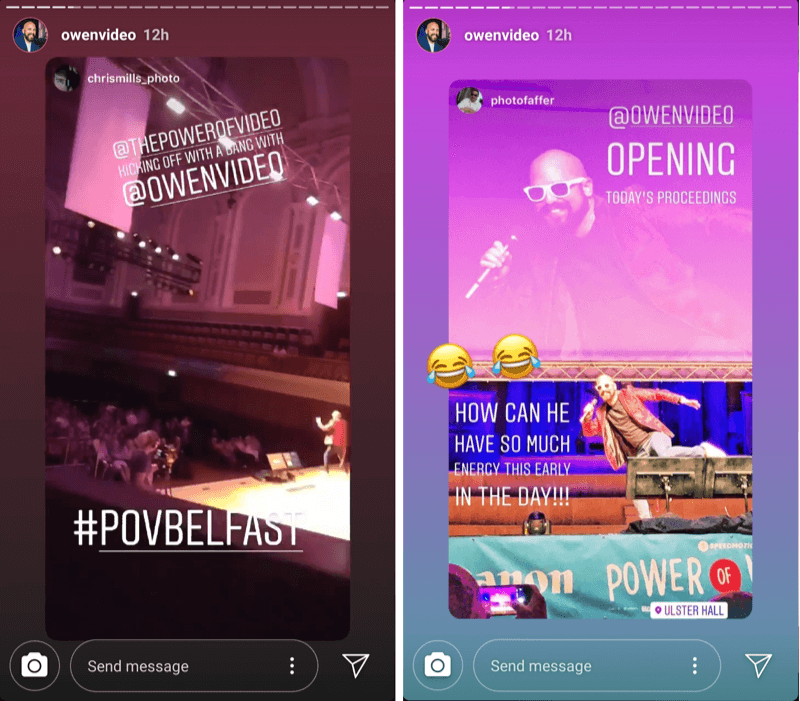
These tools often ask you to enter the username (sometimes the full profile link) of the public Instagram account whose stories you want to view, then they fetch and show the story content for you.
Some of them even offer extra features — like allowing you to download the stories (photos/videos) to your device.
How these tools work — technically & what they promise
Here’s a breakdown of common mechanisms behind such “view stories” links and services:
-
Public data scraping / mirror services:
Since many stories (for public Instagram accounts) are publicly accessible on Instagram servers, these tools sometimes just fetch that public data — acting as a “proxy” or “mirror.” This way, you don’t need to log in, and your request doesn’t come directly from your Instagram account.
-
No login / no password required (in many cases): Legitimate‑looking tools claim you can use them without supplying your Instagram credentials. That’s often the sign you should look for.
-
Anonymous viewing (allegedly): The main draw is that your viewing isn’t logged in the story’s “seen by” list, so theoretically the story‑owner won’t know you saw their story.
-
Download capability: Some let you download or save photos/videos from stories or highlights.
Because the story data is public (for public profiles), these tools often don’t need your login — which gives them plausible deniability and makes them popular among users who want privacy or anonymity.

What are the risks and downsides — security, privacy, and policy issues
Although these “view stories” links can sound attractive, they come with significant risks and moral/ethical issues.
🔐 Security and privacy risks
-
Malware, phishing or data theft: Some third‑party tools may be scams — they might ask for login credentials, personal data, or try to install malware/adware.
-
Data harvesting: Even if you don’t give login credentials, some tools may try to collect data about you (IP address, browser info, maybe more) to sell to advertisers or malicious actors.
-
Account risk: If a tool uses automation, bots or violates the platform’s rules, using it could lead to your account being flagged, banned, or suspended.
⚠️ Violation of platform rules & ethical concerns
-
Against Instagram’s Terms of Service: Many such third‑party viewers violate the official rules of Instagram, which prohibit unauthorized access or scraping via external tools.
-
Privacy and consent issues: Even if a profile is public, using an anonymous tool to view someone’s story removes transparency. The story‑owner expects to see who viewed their story. Viewing anonymously may feel like a breach of trust or privacy.
-
Downloading / redistributing stories: If you download and share someone else’s content without permission (especially for commercial use), that crosses ethical and copyright boundaries.
🎯 Functional limitations
-
Only works with public accounts: Private account stories usually remain inaccessible through these tools. If someone sets their profile to private, you cannot bypass that privacy via such third‑party viewers.
-
Instability / unreliability: Since these tools rely on scraping or unofficial APIs (or sometimes cached data), they can break when Instagram updates its backend — meaning they may stop working, or deliver incomplete/low‑quality content.
What rights / responsibilities / user choices come into play
When you consider using — or write about — “view instagram stories” links/tools, it’s helpful to be aware of the following:
-
✅ It’s technically often legal to view public content (stories of public accounts) — but “legal” doesn’t always mean “ethical.”
-
⚠️ Using or promoting tools that violate platform rules can lead to consequences — your Instagram account may get restricted or banned, especially if used frequently.
-
🤔 Respect privacy and consent — even if a profile is public, viewing someone’s story without them knowing may cross moral boundaries, depending on your intent.
-
🛡️ If you do use such tools: be cautious. Don’t supply login credentials, avoid tools asking for too much permission, and avoid downloading or re‑sharing content without permission.
What’s a safer / more responsible approach
If your goal is just to see someone’s story (for public accounts) while being somewhat private, but without risking security or violating policies, you might consider:
-
Using official methods only — follow or request to follow the person; if they accept you, you can view stories normally.
-
Use anonymity‑conscious methods without third‑party tools: some people report that using “airplane mode method” — i.e. loading stories, then going offline and viewing while offline, then closing the app before reconnecting — can sometimes prevent the “seen” from registering.
-
Respect privacy & transparency — whenever possible, let people know you saw their story, or ask permission (especially if content is personal).
-
Avoid downloading or redistributing content — unless you have permission from the original poster.
My view (friendly advice)
While the idea of a “view instagram stories link” that lets you watch stories anonymously might seem tempting — especially if you value privacy or don’t want to leave traces — these tools come with serious caveats. Sometimes they might seem harmless when used occasionally with public accounts, but often they slip into privacy‑invasion territory, or open you up to security risks (malware, data theft, account ban).
If you decide to use such tools: do so with extreme caution, never give your login credentials, and be mindful of the ethical implications.
Honestly, in 2025 — with social media awareness higher than ever — the best approach is to treat others’ privacy with respect. If someone’s story is public, treat it as public; but whether you view it anonymously or not, think if that’s fair, respectful, and safe.