
In recent years, selling handmade crafts online has grown from a hobby into a viable income‑source for many people. More buyers appreciate unique, handmade items over mass-produced goods. The demand for personalized, eco‑friendly, and home‑crafted products keeps rising — especially as people seek gifts, home decor, and small luxuries with personality.

For crafty individuals, this presents an opportunity. With some simple materials, creativity, and effort, you can turn a hobby into a small business. Many of the crafts that sell well online are relatively easy to make, require minimal investment, and allow plenty of room for customization.
Below, I highlight several craft ideas that are popular and well‑suited for selling online — along with tips to help you succeed.
Craft Ideas That Sell — Simple, Profitable & Trending
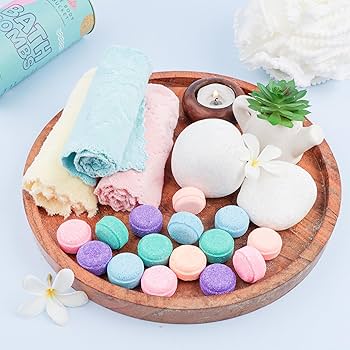
Handmade Bath & Beauty Products
One of the top categories for beginners is bath and beauty products. Items such as homemade soaps, bath bombs, and scented candles have a strong demand. People love these as gift items or personal pampering treats. (blog.vendoo.co)
-
Bath bombs are especially popular: they are colourful, fun, and customizable with scents, shapes, and packaging. They often sell at a good margin because the cost of raw materials (like baking soda, salts, oils) is low compared to sale price. (blog.vendoo.co)
-
Handmade soaps and scented soaps also sell well. Many buyers appreciate natural ingredients and appealing fragrances, especially if you offer eco‑friendly or organic variants. (marketplace-connect.com)
Because these products are often bought for gifting, holidays, or special occasions, you can adjust scents or packaging for seasons — e.g. floral scents for spring, cozy/woody for winter, festive packaging for holidays.
Home Decor Items — Boho, Rustic & Personalized
Home decor is another strong segment. People love to customize their personal spaces; handmade décor items with character are often more appealing than mass‑produced ones.
-
Macramé plant hangers and wall‑hangings: This craft has surged in popularity in recent years. Macramé items — using cotton ropes, beads, and knots — offer a boho / earthy aesthetic that appeals to modern home‑decoration trends. These are relatively easy to make once you learn a few knotting techniques. (Build Digital Income)
-
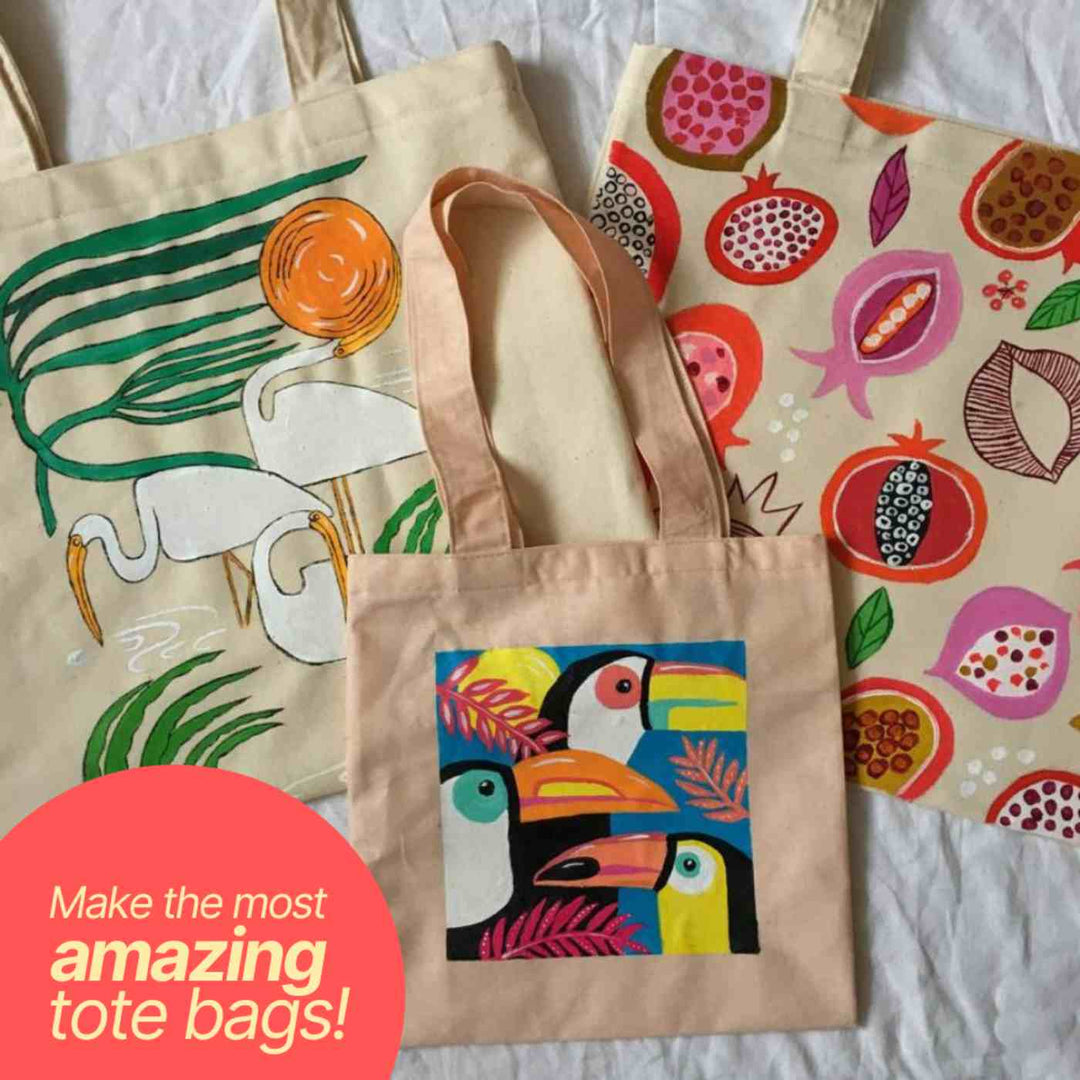
Decorative textiles — tote bags, pillows, wall‑hangings, simple fabric items: Custom-printed or hand-painted tote bags, embroidered pillow covers, or up‑cycled textile items can find good demand. Tote bags, especially, are inexpensive to produce (blank fabric bags + paint/embroidery) and are popular for their practicality + customizability. (blog.vendoo.co)
-
Hand‑painted ceramics or mugs, decorative home items: For those who enjoy painting or pottery, items like mugs, small pots, vases, or decorative dishes with hand‑painted designs also have a market. Unique imperfections, hand‑crafted looks, and custom designs appeal to buyers. (ACT Insurance)
These home decor items often perform well because customers see them as more personal, unique, and meaningful than store-bought mass-produced decor.
Simple Accessories and Everyday Use Items
Crafts that blend utility with handmade charm tend to sell steadily because they reach a broad audience — people who want something functional but with personality.
-
Jewellery and small accessories: Handmade or custom jewelry — such as beaded bracelets, polymer clay earrings, resin keychains — is a great place to start. They are light, inexpensive, and easy to ship. (withlovelive.com)
-
Customized or painted tote bags, fabric accessories: Tote bags with unique designs, embroidered or painted fabrics, or simple fabric pouches often sell because of their affordability and practicality. (blog.vendoo.co)
-
Hand‑crafted gifts — coasters, keychains, small décor pieces: Items like resin coasters, small decorative trays, handmade keychains, or small functional décor pieces are attractive because they’re often bought as gifts, souvenirs, or for small decorative touches to a home. (withlovelive.com)
Because these items are light and compact, they work well for shipping — which is important if you sell online.
Kits, Digital or Lightweight Crafts for Low‑Investment Start
If you want to minimize investment, consider crafts that require fewer expensive materials, or even “craft kits”.
-
DIY craft kits: For instance, offering a DIY kit for candle‑making, soap making, embroidery, or resin jewellery can attract customers who want to try making their own handcrafted items. Many buyers like learning crafts themselves but may not know where to start; a well‑put‑together kit makes that easy. (Business blog)
-
Smaller, easy-to-make items like clay‑based earrings, small home accessories, fabric crafts: These require minimal raw materials, low overhead, and relatively simple tools. This makes them ideal for someone starting from scratch or exploring side‑income opportunities without large funds upfront. (Indo Handicraft)
Starting small keeps risk low — which is often what beginners need.
How to Choose What Crafts to Make (What Works Best for You)
Choosing what crafts to make depends on a few personal and market-related factors: your interests, your skills, your available time and budget, and what buyers might want.
Consider What You Enjoy and Can Do Well
If you enjoy working with fabrics — sewing, embroidery, painting on cloth — then textile-based crafts like tote bags, pillow covers, or simple clothing items might be great. If you like working with wax or essential oils, soaps and candles may suit you. If you’re into knotting or weaving, macramé décor might be the right path.
The more you enjoy the process, the better your creations will be — and authenticity often shines in handmade crafts.
Balance Investment vs Profit vs Effort
Some crafts require more time, materials, or specialized tools; others are cheap and quick. As a beginner, it’s usually better to start with low-cost, low-skill crafts to test the waters (like small accessories, fabric crafts, soaps, candles). These let you start small without big risk.
As you grow, you can invest more effort into higher-value crafts (like hand‑painted ceramics, larger home décor, custom orders) that yield higher profit per item.
Think About Shipping, Packaging & Presentation
Because you’ll be selling online, your items must be easy to package and ship. Lightweight items (like jewelry, accessories, fabric items) or durable items (like candles, soaps, décor) are usually better. Fragile items — like certain ceramics — might need careful packaging.
Also, good presentation matters. Photos that showcase your crafts in a real-life context (e.g. a macramé hanger with a plant, soap bars in cozy bathroom setting, tote bag being used daily) help buyers imagine using them. This increases appeal. Many successful sellers highlight they show products in use or styled in real spaces. (Build Digital Income)
Spot Trends & Buyer Preferences
Keeping an eye on trends helps. For example, crafts such as macramé, eco-friendly soaps/candles, handmade home décor, and minimalistic accessories are trending now. (Indo Handicraft)
Personalization and customization — initials, custom colours, handmade finishes — are very appealing to many buyers nowadays. That gives a competitive edge to handmade over mass‑produced products. (ACT Insurance)
Tips to Succeed When Selling Crafts Online
Starting a craft‑based online store is not just about making beautiful items — the success depends a lot on how you position and present them. Here are some practical tips:
-
Take good photos: Use natural light, show items from multiple angles, and — when possible — show them “in context” (for example, a plant hanger with a plant, a candle on a cozy table, a tote bag being carried). This helps buyers imagine the item in their own lives.
-
Offer personalization/customization: Allowing customers to choose colours, names, or slight design modifications increases perceived value. Many buyers choose handmade crafts for this uniqueness.
-
Start small, test ideas: Don’t overproduce at first. Make a few sample items, list them, and see what sells. Learn from customer feedback. This helps you avoid wasted effort.
-
Diversify product range: Mix small, affordable items (like earrings, soaps) with higher‑value ones (decor items, custom orders). This enables both frequent small sales and occasional bigger orders.
-
Focus on quality and consistency: Handmade doesn’t mean sloppy. Buyers appreciate neat, well‑finished products. Over time, consistent quality helps build trust and repeat customers.
-
Consider packaging & shipping strategy: Especially for online selling — ensure your items are packed safely, and shipping cost/value makes sense. For fragile items, use appropriate packaging materials.
-
Understand your audience — and market accordingly: Try to find a niche: perhaps eco-conscious buyers, minimal‑decor lovers, gifting market, or people who like personalization. Use social media or marketplaces that suit your target audience.
Possible Challenges — And How to Handle Them
Like any small business, selling handmade crafts online comes with some challenges. But with planning and care, you can overcome them.
Saturation & Competition
Because many people sell handmade crafts online, some categories may become saturated quickly — especially jewelry, soap, candles. That makes visibility harder. To stand out, you need uniqueness: unusual designs, better photography, excellent quality, or niche targeting.
Time & Effort vs Return
Handmade products take time — sometimes many hours for one item. If material costs are low, that helps; but time is also a cost. For small items sold cheaply, profit per hour may not be much. So it helps to track how much time you spend vs what you earn. As you grow, you can increase prices or focus on higher-margin items.
Shipping & Logistics (for Online Sales)
If you sell online across distances (especially across countries), packaging and shipping become important. Fragile items need careful packaging. Also shipping costs can eat into profits. For some items, local or regional selling (or local delivery) might work better.
Maintaining Quality & Customer Satisfaction
Customers expect good workmanship, timely shipping, and transparency. If you scale up, maintaining consistent quality becomes harder. That means you may need better organization, maybe even help or outsourcing at some point.
How to Get Started — A Simple Step‑by‑Step Plan
Here’s a simple roadmap you can follow if you want to start selling crafts online:
-
Pick 2–3 craft ideas based on what you enjoy and what seems practical (materials, time, cost).
-
Make prototypes / samples and test them — check for durability, aesthetic, packaging needs.
-
Take good photographs — natural light, clean background, show functional or decorative use.
-
Choose a selling platform — online marketplaces (handmade‑friendly), social media, or your own small website.
-
Price your products carefully — factor in materials, time, packaging, shipping costs, and a reasonable profit margin.
-
List and promote — write clear, appealing product descriptions; highlight uniqueness or handmade charm; share on social media or craft communities.
-
Learn from feedback, refine your work — quality, variety, packaging, or what buyers value most.
-
Expand gradually — once you get traction, increase variety, improve packaging/presentation, maybe offer custom orders, or bundle items (e.g. bath‑set, home‑decor set).
Final Thoughts
Turning crafts into a small online business isn’t just about making beautiful things — it’s about combining creativity with smart decisions. Handmade baths soaps, macramé decor, custom jewellery and accessories, DIY kits, and up‑cycled homeware — these are all great starting points for someone looking to earn from crafts.
If you choose projects you enjoy, pay attention to quality and presentation, and treat your craft like a business (not just a hobby), you can build a brand. Over time, as you learn what sells and what your customers like, you can evolve, expand, and improve.
Crafting allows not only creative satisfaction — but also the possibility of steady, meaningful income.