
Most people dream of long, healthy hair. While genetics play a role, there are many natural, everyday habits and remedies that can support healthy hair growth. With patience and consistency, you can give your hair the nourishment and care it needs to grow stronger, thicker, and shinier. Here’s a detailed guide — written in simple language — to help you grow hair naturally.

Why Natural Hair Care Matters
Hair grows from roots deep inside your scalp. If your scalp is unhealthy — clogged, dry, or inflamed — hair cannot grow well or may become weak and break easily. On the other hand, if your scalp is well-nourished and healthy, hair follicles receive better nutrients and oxygen. That helps your hair grow stronger, retain its length, and stay shiny. (The Times of India)
Natural hair care also means avoiding harsh chemical treatments, excessive heat styling, and harmful habits that can damage hair over time. Instead, simple, gentle, natural methods can support sustainable hair growth. (Vogue India)
Nourish from Within: Diet & Hydration
What you eat and drink plays a big role in hair health. Hair is mostly made up of a protein called keratin. If you don’t get enough protein or essential nutrients, hair growth slows and strands may grow weak or brittle. (NDTV Food)
-
Protein-Rich Foods: Eggs, dairy (milk, yogurt, paneer), lean meats (for non‑vegetarians), lentils, beans, and grains like quinoa are all excellent sources. These help build the keratin your hair needs. (The Times of India)
-
Healthy Fats & Vitamins: Foods like avocados, nuts, seeds, and fatty fish (like salmon, sardines, mackerel) supply omega‑3 fatty acids, vitamin E, and other vital nutrients. These nourish the scalp, fight inflammation, and support stronger hair growth. (The Times of India)
-
Vitamin A and Beta‑Carotene Foods: Sweet potatoes, carrots or other orange vegetables help your body produce vitamin A, which supports scalp health and adequate sebum production — a natural oil that keeps hair healthy. (Healthline)
-
Stay Hydrated: Drinking enough water (and natural hydrating drinks like fresh fruit or vegetable juices) helps maintain overall scalp and hair health. Dehydration can make hair dry, brittle, and prone to breakage. (The Times of India)
A balanced, nutrient-rich diet combined with good water intake creates a strong foundation for healthy hair to grow.
Gentle & Natural Scalp Care
Hair growth often starts with the scalp. If the scalp is clean, nourished, and well-cared for, hair follicles have a better environment to produce healthy strands.
Scalp Massage & Oils
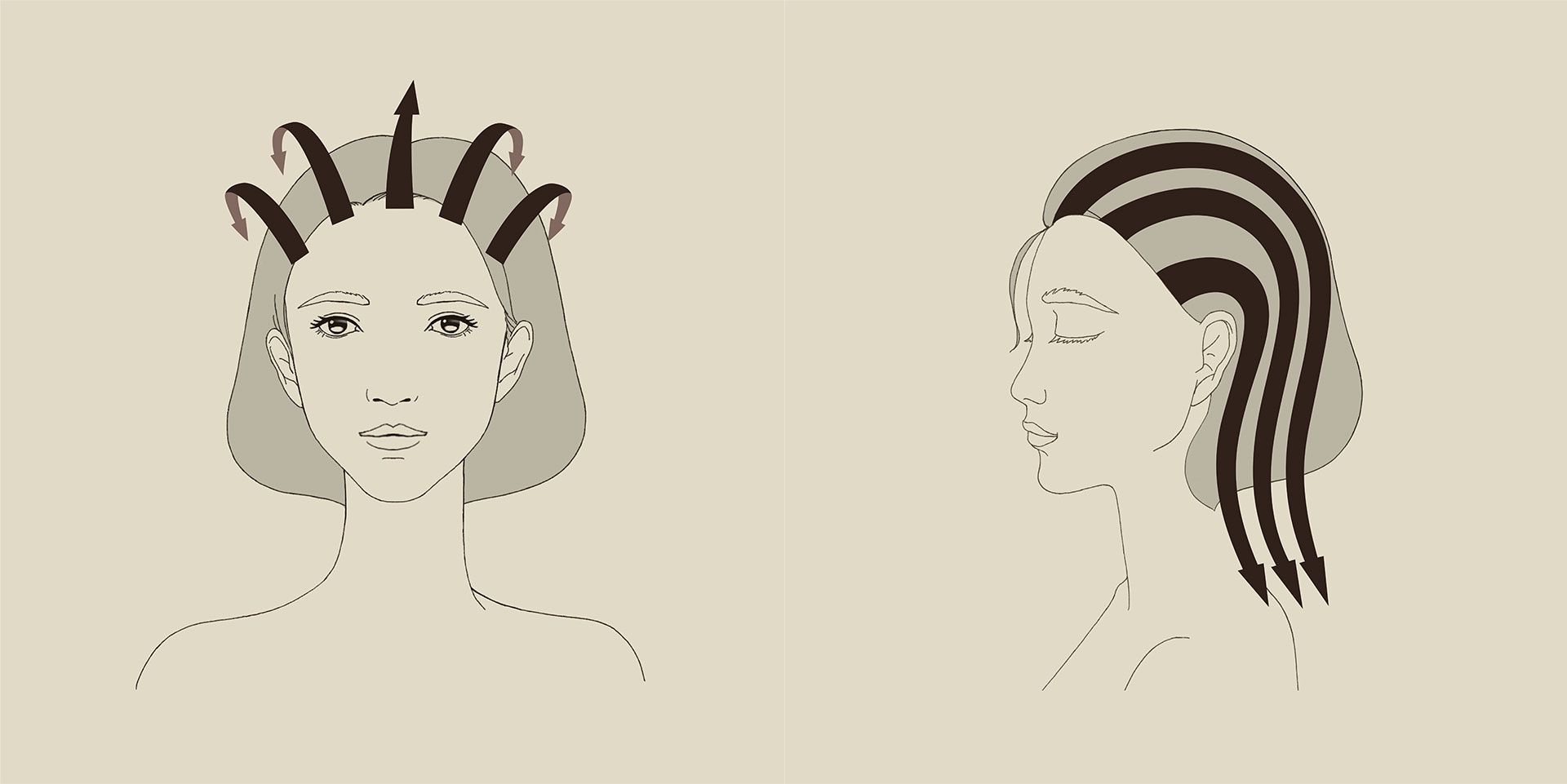
Massaging your scalp boosts blood circulation, helping nutrients reach hair follicles more effectively. It also stimulates follicles and encourages growth. (The Henna Guys)
Natural oils — like coconut oil, olive oil, castor oil, or argin oil — work as nourishing carriers for the massage. Coconut oil, for example, contains fatty acids that penetrate hair shafts and reduce protein loss. (Healthline)
Essential oils diluted in carrier oils — for instance rosemary oil, peppermint oil, lavender oil, or tea tree oil — may further support scalp health, improve circulation, and reduce inflammation. (D-Fame India)
To do a scalp massage: warm a little carrier oil (coconut or olive), mix a few drops of essential oil if you want, then use your fingertips (not nails) to gently massage in circular motions for 5–10 minutes. Do this 1–2 times a week (or as suits your hair type). (The Henna Guys)
Natural Masks & Treatments
Beyond oil massage, certain natural treatments can nourish hair roots and improve scalp condition:
-
Fresh gel of Aloe Vera: Its enzymes can help repair scalp skin cells, soothe irritation, reduce dandruff, and create a healthy base for hair growth. (The Times of India)
-
Fenugreek Seeds (Methi): Soak them overnight, grind into a paste, and apply on scalp. They contain proteins and compounds that may help regenerate hair follicles. (The Times of India)
-
Onion (or onion juice): Rich in sulfur, onion juice may help stimulate hair follicles and support thicker growth. However, it has a strong smell, so rinse well and use mild shampoo. (The Times of India)
-
Egg-based or Banana-Olive Oil Masks: Eggs provide protein, vitamins, and minerals; bananas and olive oil add nutrients and moisture. These masks nourish hair strands, make them stronger, softer, and more flexible — reducing breakage. (MedicineNet)
Healthy Hair Habits — What to Do (and What to Avoid)
Apart from diet and scalp care, how you treat and manage your hair daily makes a big difference.
-
Avoid Excessive Heat and Harsh Treatments: Frequent use of hair dryers, straighteners, chemical dyes, or bleaching can damage hair strands, lead to breakage, and slow down healthy hair growth. Let hair air‑dry when possible, or use low heat and protectants if styling. (Vogue India)
-
Use Gentle Shampoo & Conditioner: Wash hair 2–3 times a week (unless scalp is very oily). Over‑washing can strip natural oils; too infrequent washing can lead to buildup that clogs follicles. Use mild, sulfate-free shampoos and follow with conditioner or hair mask to keep shafts moisturized. (The Times of India)
-
Trim Regularly: Getting rid of split or damaged ends doesn’t make hair grow faster, but it helps maintain healthy, neat ends — so hair length isn’t lost to breakage. A trim every 6–8 weeks is often recommended. (Vogue India)
-
Protect Hair from Environmental Damage: Pollution, harsh sun, and hard water can damage hair. Use a scarf or hat outdoors, rinse hair properly after exposure, and avoid chemical-laden treatments. (The Henna Guys)
-
Be Gentle While Hair Is Wet: Hair is weakest when wet. Avoid rough towel drying (prefer a soft microfiber towel or cotton T‑shirt instead of rough towels). Don’t comb or brush roughly when wet; detangle gently from ends upward. (D-Fame India)
Lifestyle Factors that Support Hair Growth
Growing hair naturally isn’t only about what you apply — your overall lifestyle influences it too.
-
Reduce Stress & Maintain Good Sleep: Stress can push hair follicles into a “resting phase,” reducing growth or causing shedding. Relaxation, meditation, light exercise, and good sleep help keep your body — and scalp — healthy. (The Times of India)
-
Stay Consistent: Natural methods take time. Hair grows slowly — on average, about half an inch per month. There are no overnight miracles. What matters is steady care over months. (The Henna Guys)
-
Observe and Adjust: Not every remedy works the same for everyone. Watch how your scalp and hair respond. If an oil or mask causes irritation, stop using it. Adjust frequency of washing/oiling according to your hair type (dry, oily, normal).
What to Expect — Realistic View
It’s important to set realistic expectations. Natural methods usually help hair grow at its normal or slightly improved rate — they don’t drastically accelerate growth beyond what your genes allow. But they do help reduce hair fall, strengthen hair, improve scalp health, make hair look thicker and shinier, and ensure that the hair you grow stays healthy.
Also, different people respond differently. What works well for one person may give no visible change for another. It depends on many factors: genetics, diet, stress levels, environment, and consistent care.
A Simple Weekly Routine to Try
Here’s a sample weekly plan you might follow:
-
Day 1 (e.g. Saturday evening): Warm oil scalp massage (coconut or olive oil + a few drops of rosemary or lavender). Leave for 1 hour then shampoo.
-
Day 2: Light shampoo + conditioner; let hair air‑dry.
-
Day 3: Scalp treatment — apply fresh aloe vera gel or fenugreek mask, leave 30–45 min, then rinse.
-
Day 4: Healthy balanced meals, lots of water.
-
Day 5: Light shampoo (if scalp feels oily) or simply rinse with water. Use mild conditioner.
-
Day 6: Egg/banana‑olive oil mask for hair shaft nourishment (if hair is dry).
-
Day 7: Rest — avoid heat styling, let hair breathe, sleep well, reduce stress.
Repeat consistently for several weeks and observe changes.
Final Thoughts
Growing hair naturally is not a quick-fix — but it is worth it. By combining good nutrition, gentle scalp care, natural remedies, and healthy habits, you create the ideal environment for your hair to flourish. Over time, you may notice hair becoming stronger, thicker, healthier, more manageable — and growing closer to your desired length.
Patience and consistency are key. Embrace a gentle, natural hair‑care routine, treat your hair with love, and over months you are likely to see real, lasting improvement.