
Meditation often sounds mysterious or complicated — people imagine sitting cross‑legged for hours, trying not to think anything, or reaching some transcendental state. But in reality, meditation is simple. It is a gentle way to train your mind to calm down, focus, and connect with your inner self. For a beginner, it’s more about regular practice and kindness toward yourself than perfection or silence. This guide will take you through what you need to know to start meditating, how to do it, and why it can make a big difference in your life.
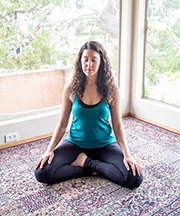
Why meditation matters: what it can do for you
When you meditate, you give your mind a break from the constant noise, stress, and pressure of daily life. Over time, meditation helps you —
-
reduce stress, anxiety, or mental overload
-
find calmness and inner balance
-
become more self‑aware and emotionally steady
-
focus better, improving concentration and clarity
-
feel more present, noticing small joys instead of rushing through life
According to health experts, meditation can improve both emotional and physical well‑being. It can lower stress, aid better sleep, reduce resting heart rate and blood pressure, and help you handle life’s ups and downs more calmly. (Mayo Clinic)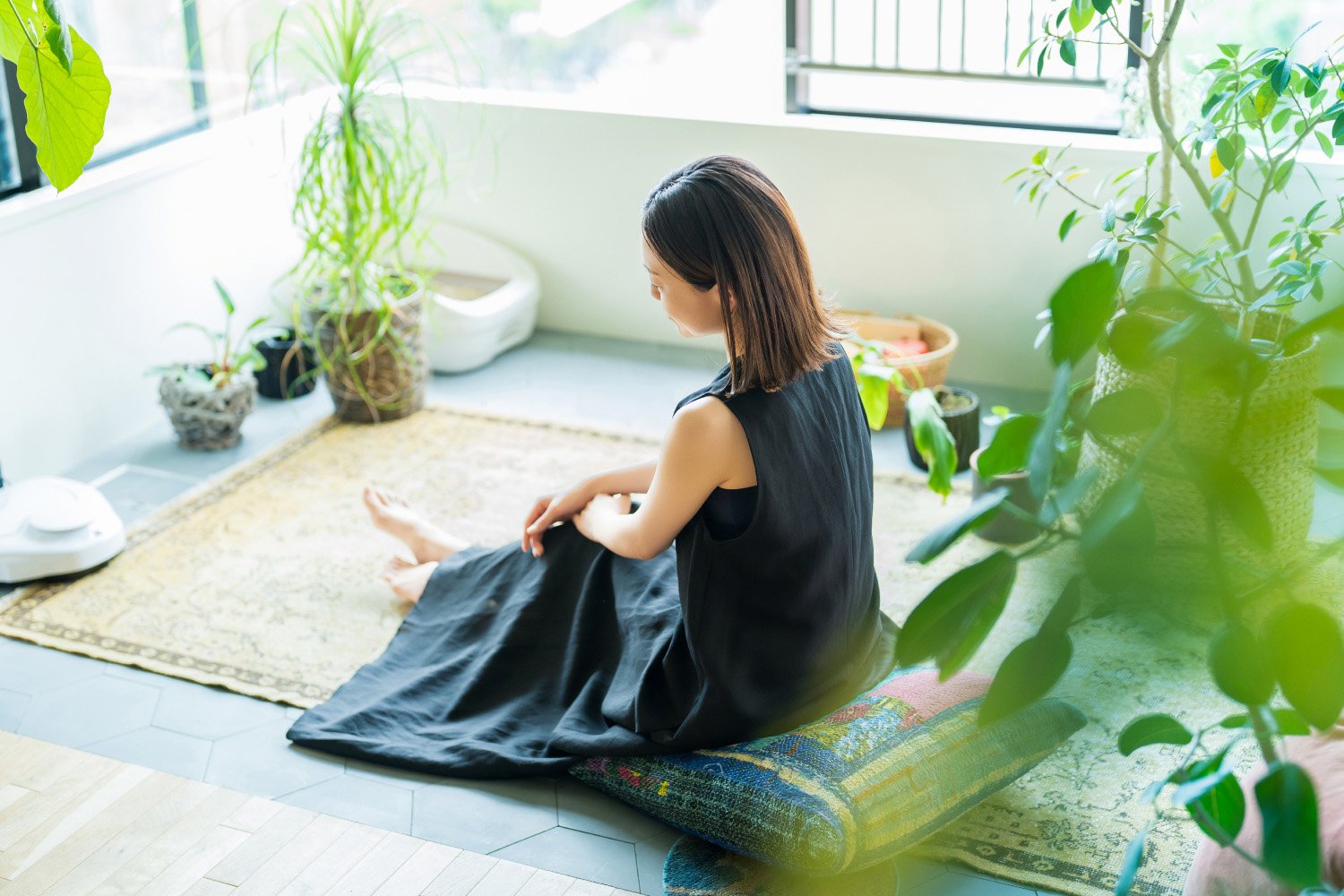
Beyond relaxation, meditation is a “training for the mind.” As you practice, you learn to observe thoughts and emotions without being overwhelmed by them. This helps you respond thoughtfully rather than react hastily. (ScientificOrigin)
What you need to get started
The great thing is: you don’t need fancy equipment, expensive courses, or special clothes. All you really need is:
-
A quiet, calm place where you won’t be disturbed. A corner of your room, a balcony, a chair — whatever works. (nhs.uk)
-
A comfortable posture. You don’t have to sit like a yogi — sitting on a chair, on a cushion, cross‑legged on the floor, or even lying down can work — as long as your body feels relaxed but awake. (Mindfulness Exercises)
-
A few minutes of time — start small and keep it simple. Even 5 minutes is enough to begin. (Geisinger)
How to meditate: a simple beginner’s approach
Here’s a straightforward step‑by‑step approach to begin meditating. Think of it as giving your mind and body a few moments of calm.
First, choose a time and place. Early morning or evening often works well, but the “best time” is really whenever you can do it consistently — before a meal, after work, or before bed. (Art Of Living (日本))
Once you have your spot and time:
Close your eyes (or soften your gaze) and take a few deep, gentle breaths. Let your body relax. Keep your back upright but not rigid, shoulders loose, and hands resting comfortably. (nhs.uk)
Focus on your breathing. Notice each inhale and exhale — how the air moves, how your chest or belly rises and falls. This simple act of following your breath anchors you in the present. (Mayo Clinic)
As you focus, your mind may wander — that’s completely normal. Instead of judging yourself, gently notice when thoughts arise, then bring your attention back to your breath. That act of noticing is the core of meditation. (ScientificOrigin)
Continue for a short time — if you’re a beginner, 5 to 10 minutes is a good start. Over time, you may gradually increase the duration as it feels comfortable. (Moneycontrol)
When you finish, take a moment to sit quietly, notice how your body feels, and slowly open your eyes.
Common questions beginners often have
Do I need special posture or lotus pose to meditate?
No. While many people imagine lotus pose, meditation doesn’t demand rigid postures. The most important thing is that you are comfortable, relaxed, and your posture supports alertness. You can sit on a chair, floor cushion, or even lie down, as long as you don’t fall asleep. (Mindfulness Exercises)
What if my mind keeps wandering or I start thinking about random things?
It’s perfectly normal. Meditation is not about stopping thoughts — but about recognizing them and letting them pass without getting pulled in. When you gently return to the breath, that is not failure — rather, it’s the practice. Over time, staying present becomes easier. (ScientificOrigin)
How long should a session be for beginners?
Short sessions are fine. Starting with 5–10 minutes daily is enough. As you get used to it, you can gradually increase the time if you wish. Consistency matters more than duration. (Geisinger)
Do I need to meditate daily?
Daily practice helps — making meditation a habit makes its benefits more visible. But don’t stress if you miss a day or two. What matters is being gentle with yourself and maintaining regularity over time. (Art Of Living (日本))
Tips to build a lasting meditation habit
If you want meditation to become part of your life — not just a one‑time experiment — these suggestions can help:
Create a quiet “meditation corner” in your home: a spot you associate with calmness. It doesn’t need to be large — just a place where you feel comfortable and undisturbed. Having a dedicated space helps your mind switch into “meditation mode” quickly. (Vogue India)
Use simple tools if you want: a cushion, a small mat or rug, soft lighting, even calming scents. None are required — but if it helps you settle, go ahead. (Mayo Clinic)
Consider guided meditations: Especially when starting out, guided audio or video — where someone gently leads you — can make it easier to stay focused. Once you get used to the rhythm, you can try meditating silently on your own. (Art Of Living (日本))
Be patient and kind with yourself: Meditation is a skill, and like learning any skill, it takes time and gentle practice. It’s not about instant peace — it’s about building awareness, calm, and presence over time.
What you might experience — and how meditation changes you
In the beginning, meditation may feel strange — perhaps restless, or your mind jumps around. That’s normal. With time, many people find that meditation gradually brings subtle but important transformations in their life.
You may become more patient, calm, and less reactive. Stress or anxiety may reduce. You may find it easier to concentrate, sleep better, or just enjoy simple moments more. Meditation can help you face challenges with more clarity and balance, instead of being carried away by emotion.
More than anything, meditation gives you a way to connect with yourself — to listen, observe, and understand. It helps you build a healthier inner relationship, where you respond rather than react.
A simple meditation routine to try (for beginners)
If you’d like to start right now — here’s a simple routine you can follow:
-
Choose a quiet corner and sit comfortably (on a chair or floor).
-
Close your eyes, relax your shoulders, and breathe naturally.
-
Spend 1 minute just noticing your breath. Then increase gradually to 5–10 minutes.
-
If your mind wanders, gently bring focus back to breathing. Observe, don’t judge.
-
After finishing, sit quietly for a few seconds, open your eyes slowly, and notice how you feel.
You can do this once a day, maybe early morning or before going to bed — whatever suits you.
Final thoughts
Meditation isn’t a magic wand that solves everything overnight. It’s a gentle, patient practice — like watering a plant every day. Over time, with consistency and compassion for yourself, you may find a deeper calm, better focus, and a healthier relationship with your thoughts and emotions.
For beginners, the key is to keep it simple. A quiet space, comfortable posture, a few minutes of breathing — that’s all you need. As you grow comfortable, you’ll discover what kind of meditation suits you best.