
Investing through apps has become very popular in India — and one name that many investors know is Groww. But before you start buying shares, mutual funds, or doing trades, it’s important to understand what charges you’ll actually pay. In this post, we will analyze “Groww charges” — what Groww does charge, and when — so you get a clear picture before investing.
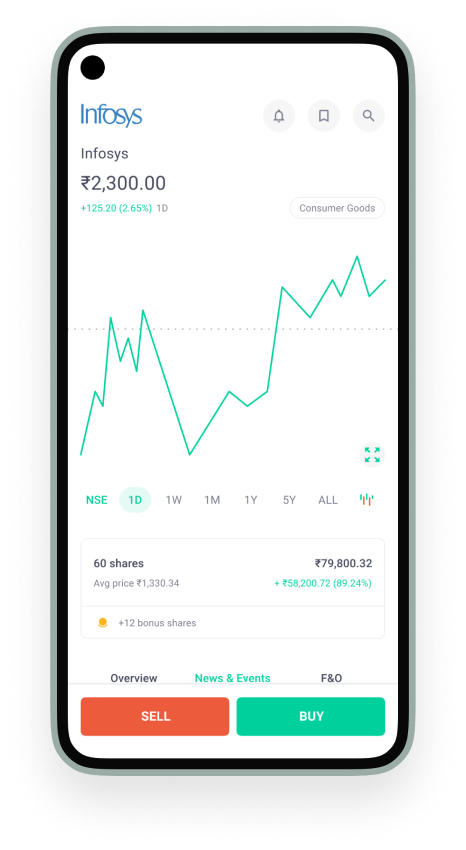
We try to keep things simple and in plain English, so if you’re new to the stock market, you’ll find this easy to understand.
What is Groww — quick overview
Groww began as a user‑friendly investment app, offering access to mutual funds, stocks, ETFs, IPOs, and derivatives (F&O). Investors can open a Demat + trading account, invest in direct mutual funds, buy/sell stocks, and track investments. (Groww)
A major appeal of Groww is that account opening, and maintenance (AMC) for both trading account and Demat account are free. (Groww)
But “free account” doesn’t mean “zero cost always.” There are charges when you trade. Let’s break them down.
Groww Charges: What You Pay
Here are the main fees/charges you may incur when using Groww, depending on what you do.
✅ No Charges: Mutual Funds & Basic Account
-
If you invest in direct mutual funds (via lump sum or SIP), Groww does not charge any commission or platform fee. (Groww)
-
There is no account‑opening fee or annual maintenance charge (AMC) for either trading or Demat account. (Groww)
-
Redeeming mutual funds (i.e. selling/withdrawal) is also free of Groww’s own charges (though funds will have their expense ratio). (Groww)
This makes Groww a cost‑effective option for those who just want to invest in mutual funds — especially direct ones — without worrying about broker commissions.
📈 Brokerage Charges: When You Trade Stocks or ETFs
If you move beyond mutual funds and start buying/selling stocks (or ETFs, derivatives), Groww applies brokerage and other transaction fees. (Groww)
Here are key points:
-
For equity (stocks) — delivery trades (i.e. buy and hold), Groww charges ₹20 OR 0.1% of trade value per order — whichever is lower. (Groww)
-
On the lower side, if the 0.1% calculation yields less than ₹5, then the minimum charge will be the lower of ₹5 or 2.5% of trade value. (Groww)
-
For Futures & Options (F&O) trades, the brokerage is a flat ₹20 per order. (Groww)
Example
-
Suppose you buy shares worth ₹10,000 and hold them. 0.1% of 10,000 = ₹10, which is lower than ₹20 → brokerage = ₹10.
-
If you buy ₹2,000 worth, 0.1% = ₹2, which is lower, but since minimum brokerage is applied, you’ll pay at least ₹5 (as per Groww’s stated minimum).
-
For large trades — say, ₹2,00,000 — 0.1% = ₹200, but since the cap is ₹20 or lower, you pay only ₹20.
This sliding‑scale + cap structure helps small investors, but also keeps costs predictable for larger trades.
🧾 Other Charges: Beyond Just Brokerage
Brokerage isn’t the only cost. There are additional statutory or regulatory charges plus charges related to the Demat account when you sell shares. Important additional charges include: (Groww)
-
Exchange transaction charges — fees imposed by exchanges (NSE/BSE). (Groww)
-
Regulatory/turnover charges (fees charged by regulator like SEBI). (Groww)
-
Stamp duty — as per government regulations on securities trading. (Groww)
-
DP charges (Depository Participant charges) — when you debit shares from your Demat account (e.g. when you sell). According to some sources, this is around ₹13.5 + GST per debit transaction. (sharegain.in)
-
GST — Goods & Services Tax (currently 18%) applies on brokerage, DP charges, exchange charges, etc. (Groww)
Because of these extra charges, actual cost per trade becomes slightly higher than just the brokerage fee.
✅ When Groww’s Fee Structure Is Good — and When to Be Careful
👍 Good Scenarios
-
Mutual funds investments (direct) — Because Groww charges nothing here, it’s ideal for long‑term investors focusing on SIPs or regular mutual fund investments.
-
Occasional stock/ETF trades — large trades — If you do fewer, larger trades, the flat ₹20 cap keeps brokerage low compared to percentage‑based models.
-
Simplicity & transparency — Basic account is free, and Groww clearly mentions brokerage caps. Ease of use for beginners.
⚠️ When Costs Can Add Up
-
Frequent small trades — If you often buy/sell small quantities (₹ few thousands), the minimum brokerage (₹5) + other charges can eat a significant percentage.
-
Active traders, intraday/F&O — With brokerage + statutory + GST + other charges, frequent trading costs mount quickly.
-
Selling shares often — Because of DP charges + other costs on sale, frequent investors might pay more than they initially expect.
Hence, Groww works best for passive investors — mutual funds or occasional delivery‑based stock trades. For active traders, one must calculate cumulative cost carefully.
What Others Say: Pros & Criticisms
-
Many users and reviews praise Groww for offering free direct mutual funds, zero AMC — making it cost‑effective for long-term investors. (wealth indian)
-
However, some community voices (e.g. on forums/reddit) caution against frequent small trades — complaining about what they see as “hidden costs” or “minimum brokerage feels unfair for small investors.” For example:
“Don’t buy order value less than Rs. 2,000 in Groww!” (reddit.com)
-
Others say that for ETFs or small‑value trades, the effective cost becomes higher than one expects when counting trade value versus flat fees. (reddit.com)
In short: Groww is great for investors who plan wisely or invest long-term. If you trade frequently or handle small volumes often — better to check actual cost before each trade.
My Take: When Groww Makes Sense for You
If I were you — and wanted a simple, cost-effective way to start investing — I’d use Groww for:
-
Direct mutual funds via SIP (especially for long‑term goals)
-
Occasionally buying good stocks or ETFs and holding them (delivery trades)
But I’d avoid using Groww as a frequent trading platform lest fees eat into returns. For frequent traders — maybe explore other brokers (or at least compute cost carefully before each trade).
Conclusion
Groww offers an attractive and relatively simple structure: zero AMC, free access to direct mutual funds, and capped brokerage for stocks & F&O. For many investors — especially beginners or long‑term thinkers — this makes Groww a sensible gateway to markets.
However, it’s not cost‑free: once you trade stocks/ETFs, statutory charges, DP charges and GST come into play. For small or frequent trades, these additional charges can erode benefits.
So — use Groww smartly: know when you are getting value, and when cost might outweigh benefits.