
Blogging can be more than just a way to share your thoughts — it can become a source of income if you plan carefully and stay consistent. In this post, I’ll walk you through how to start a blog from scratch and how to turn it into a money‑earning asset. I’ll keep things simple and easy to understand.
 |
| How to Start Blogging |
What is a Blog — and Why Blogging Still Works (Even in 2026)
A blog is basically a website where you publish articles (posts). These posts can be about anything — your hobbies, skills, opinions, knowledge, or life experiences. The idea is to share useful or entertaining content with readers. Over time, if you build a consistent and high‑quality blog, it can attract an audience, and that’s where the potential to earn money begins.
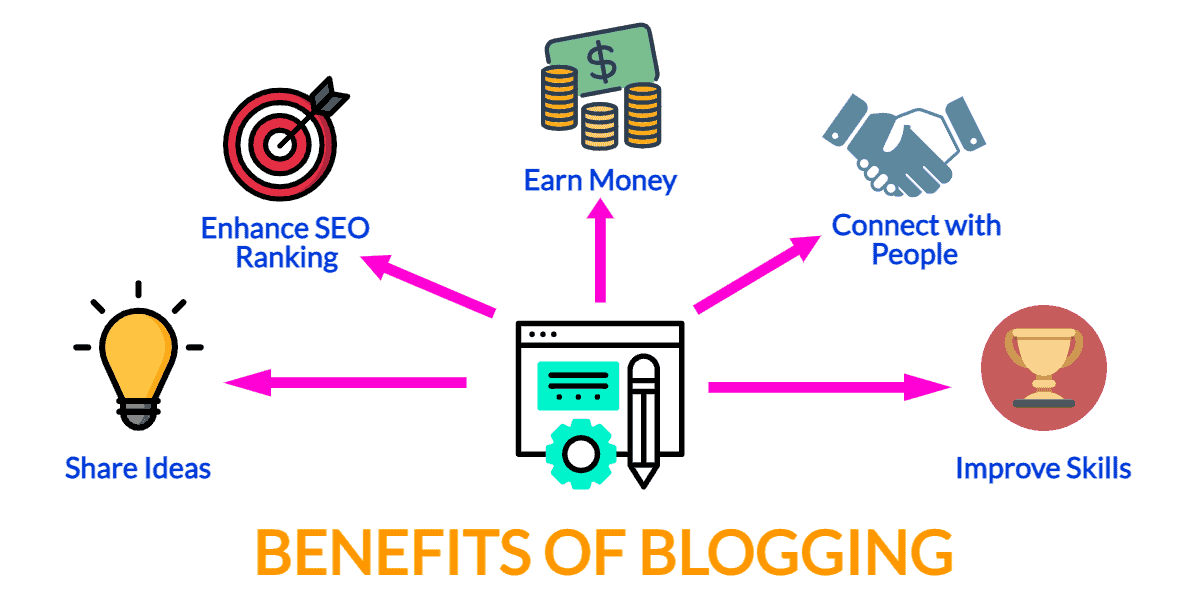
Blogging remains relevant and profitable even today because it allows you to:
 |
| How to Start Blogging |
- Reach a large audience across the world.
- Share your passions or expertise.
- Build credibility and authority in a niche.
- Monetize via different methods — ads, affiliate links, digital products, services — once you have traffic.
But it's important to remember: blogging isn’t a “get rich quick” shortcut. It requires effort, patience, and consistency.
Step 1: Choose a Topic (Niche) for Your Blog
Before you start building a blog, you need to decide what it will be about. This is called your “niche.”
What makes a good blog niche?
- It’s something you’re passionate about or knowledgeable in — maybe programming (given your background), personal finance, tech trends, lifestyle, travel, health — whatever you enjoy and can write about consistently.
- It solves a problem or fulfills a need for people. Blogs that help readers (e.g., “how to learn Python,” “budget travel tips,” “healthy meal ideas”) tend to attract more attention than blogs that are purely personal diaries.
- It has the potential to generate income. Some niches tend to do better than others when it comes to monetization. Common profitable niches include tech, finance, health, lifestyle, education.
Choosing the right niche gives your blog focus. Instead of writing random posts about many topics, you build a consistent identity — which helps attract and retain a loyal audience.
Step 2: Choose Platform and Set Up Your Blog
Once you have a niche, you need to set up your blog.
Free vs Self‑hosted (paid) blogs
You can start on free platforms — like Blogger, WordPress.com, or Medium. But these have downsides if you're serious about earning. Free blogs often limit customization, display their own ads, don’t allow full control over layout or monetization methods, and URL looks less professional (e.g. yourblog.wordpress.com).
For a professional or money‑earning blog, many prefer a self‑hosted setup: a custom domain + hosting, often using WordPress.org. That gives you full control — design, ads, affiliate links, content ownership.
What you’ll need to do
- Choose a domain name (short, memorable, relevant to your niche).
- Get web hosting (a server where your blog lives). There are many affordable hosting providers — good hosting helps your blog load fast and stay secure.
- Install WordPress or another platform. WordPress is widely used because it’s flexible and beginner‑friendly.
- Pick a clean, responsive theme — something that works well on desktop and mobile.
Once your blog is live and looks good, you’re ready to start publishing.
Step 3: Write Valuable, High‑Quality Content
Content is the heart of your blog. Without good content, even the best‑looking blog won’t attract readers.
What makes content valuable?
- It should be original and helpful — solve a problem, answer questions, teach something, or entertain. People come to blogs looking for value.
- Use simple, clear language — easy to read and understand. Short paragraphs, clear headings, good flow. That improves user experience.
- Consistency helps. Publish regularly (for example: once a week or a few times a month). Over time, this builds trust and authority.
- Be mindful of basic SEO (search engine optimization) — optimize titles, headings, URLs, image alt‑text. This helps search engines find and index your posts, bringing organic traffic.
A blog becomes more valuable when its content resonates with the audience — the kind of articles that people want to read, share, or refer to again.
Step 4: Grow Your Audience — Get Traffic
Getting traffic (readers) is a key milestone for any money‑making blog. Without visitors, monetization isn’t realistic.
Some ways to grow traffic:
- Share your blog posts on social media (depending on your niche, choose appropriate platforms).
- Engage in communities or forums related to your niche. For example, answer relevant questions on Q&A sites and link back to your blog when helpful.
- Implement basic SEO strategies (as mentioned above) so that search engines bring organic traffic over time.
- Build relationships: Collaborate with other bloggers, do guest posts, or get backlinks. This improves your blog’s visibility and authority.
As traffic grows, your blog becomes more attractive — both to new readers and to potential monetization opportunities (ads, sponsors, etc.).
Step 5: Monetize Your Blog — Turn Traffic into Income
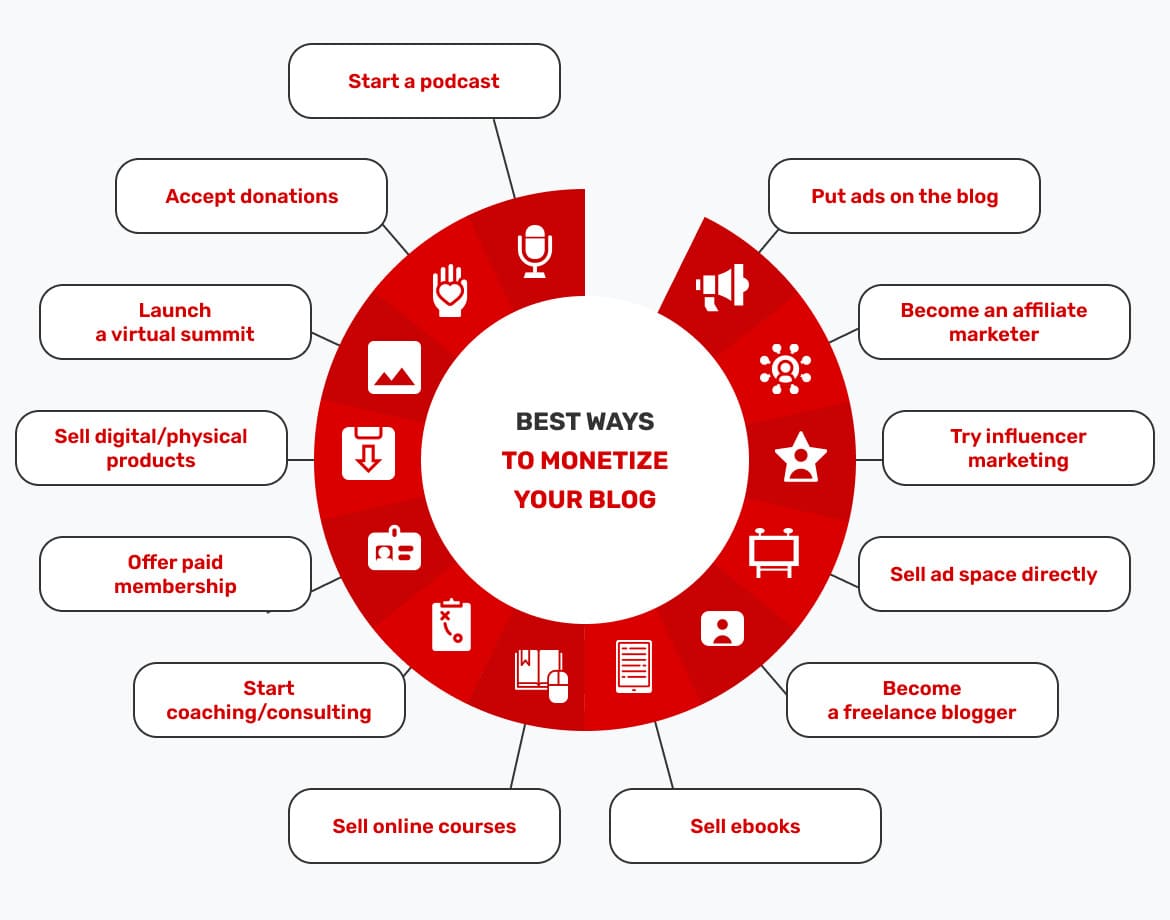
Once your blog is receiving consistent readers, it’s time to monetize. There are several methods you can use — often combining more than one gives the best results. Here are the most common:
💡 Display Advertising
One of the easiest and most common ways to earn is by showing ads on your blog through networks like Google AdSense. Once you have reasonable traffic, ads can start bringing in passive income.
Because the income from ads depends largely on the number of visitors and clicks/impressions, you generally need a larger audience for ads to become meaningful.
🔗 Affiliate Marketing
If you recommend products or services to your readers (that fit your niche), you can add affiliate links. When someone buys via your link, you earn a commission. This method often pays more than simple ads — especially if you target products relevant to your readers.
For example, if your blog is about programming or tech, you might recommend coding courses, tools, gadgets — and earn commission when people buy.
✍️ Sponsored Posts & Brand Collaborations
Once your blog gains some authority and regular traffic, companies or brands may pay you to write about their product or review them. These sponsored posts can bring substantial income.
📚 Selling Your Own Digital Products or Services
One of the most profitable routes is creating your own offerings: e‑books, online courses, templates, guides — depending on your niche. This turns your blog from a content platform into a value‑product platform.
Since you control the product and pricing, this route has high earning potential — but also requires effort (creating the product, marketing it, supporting customers).
Additionally, if you have skills — e.g. programming, writing, coaching — you can use your blog as a portfolio and offer services (freelancing, consulting, tutorials). This works especially well if your blog is about a professional or in‑demand niche.
🔒 Membership / Subscription / Premium Content
If you build a loyal audience, you can offer exclusive content for a subscription fee: member‑only articles, premium tutorials, special newsletters, or even community access. This gives you recurring revenue.
What to Expect — The Realities of Blogging & Earning Money
Blogging can eventually bring income — but it usually doesn’t happen overnight. Here are some truths to keep in mind:
- You need consistency and patience. Building good content, gaining an audience, and earning money often take months (or more).
- Traffic matters. The more people visit your blog, the higher the potential for earning — especially with ads and affiliate links.
- Quality matters more than quantity (but quantity helps). One well-researched, helpful post is often more valuable than many shallow posts. But publishing regularly gives you more chances to reach people.
- Diversify monetization. Relying on just ads may not be enough. Combining ads, affiliate marketing, digital products, services — gives better chances for stable income.
- Your niche and content quality determine success. A blog about in‑demand topics (tech, finance, skills, health) with helpful content is more likely to succeed than a random or overly personal blog — unless the personal blog is extremely interesting or builds a strong community.
Example: A Simple Blogging Journey Plan for a Beginner
To make this more concrete, here is a rough plan — how someone might go from zero to earning via a blog:
- Pick a niche you’re good at and enjoy (e.g. programming tutorials, finance advice, healthy lifestyle, etc.).
- Get hosting + domain + WordPress installed.
- Publish 5–10 quality blog posts over 1–2 months.
- Share posts on social media or niche‑related forums/communities.
- After some traffic builds (say 500–1000+ monthly visitors), apply for ad network (AdSense).
- Add affiliate links in relevant posts (e.g. book reviews, product recommendations).
- Keep publishing helpful, high‑quality content regularly (once a week or biweekly).
- After a few months — if traffic grows — consider creating a small e‑book or digital resource related to your niche, and offer it to readers.
- As your blog grows, explore sponsored post opportunities, collaborations, or even consulting/freelancing using your blog as a portfolio.
This kind of gradual, steady approach gives you time to learn, adapt, and grow — rather than expecting instant success.
Final Thoughts
Blogging remains one of the most flexible and scalable ways to earn money online. If you're willing to invest time, energy, and consistency — and if you're genuinely passionate about your niche — you can build something meaningful.
It might not be easy or fast, but many people around the world are earning stable income through blogging: via ads, affiliate marketing, digital products, and services. What matters most is the quality of content, understanding your audience, and being persistent.
Related Questions with answers for the topic How to Start Blogging:
What is blogging and why start?
Blogging lets you share knowledge, build authority, attract an audience and earn online. It becomes a digital home where ideas grow into opportunities and income streams.
Pick a topic you enjoy, can write consistently about, and people search for. A focused niche builds trust, clarity and long-term audience loyalty.
Which platform is best for beginners?
WordPress is beginner friendly, customizable and widely supported. It gives freedom to scale, add plugins, improve SEO and control your blog’s design and features.Do I need technical skills to start?
No. Most platforms offer simple dashboards, drag-and-drop editors and tutorials. You learn gradually while creating posts, customizing themes and managing your blog easily.
How do I choose a domain name?
Select a short, memorable name matching your niche. Avoid numbers, keep spelling simple and choose a trusted extension. It becomes your blog’s online identity.What hosting should beginners use?
A reliable, affordable shared hosting plan works well. Look for fast servers, strong support, free SSL and easy WordPress installation for a smooth blogging start.
Consistency matters more than speed. Aim for one or two quality posts weekly. Build a routine that keeps your blog active and readers returning regularly.
How do new bloggers get traffic?
Use SEO, social media sharing, basic keyword research and helpful content. Over time, search engines reward useful posts and bring steady, organic visitors.How can beginners earn from a blog?
Start with ads, affiliate links and simple digital products. As your audience grows, add services or courses for stronger and more reliable income.
What mistakes should beginners avoid?
Skipping SEO, inconsistent posting, copying others, ignoring audience needs and expecting fast income. Stay patient, improve your writing and treat your blog like a long-term project.