
If you are doing affiliate marketing — that is, writing blogs or reviews recommending products and hoping people click your affiliate links — then keyword research is your starting point. Keyword research simply means finding what people type into search engines (Google, YouTube, etc.) when they look for information, solutions or products. (postaffiliatepro.com)
For affiliate marketing, that matters a lot. By knowing those search terms, you can create content that matches exactly what potential customers are searching for. That increases the chances that your blog or review shows up in search results — giving you more visitors, and more potential buyers clicking your affiliate links. (ajayaggarwal.com)
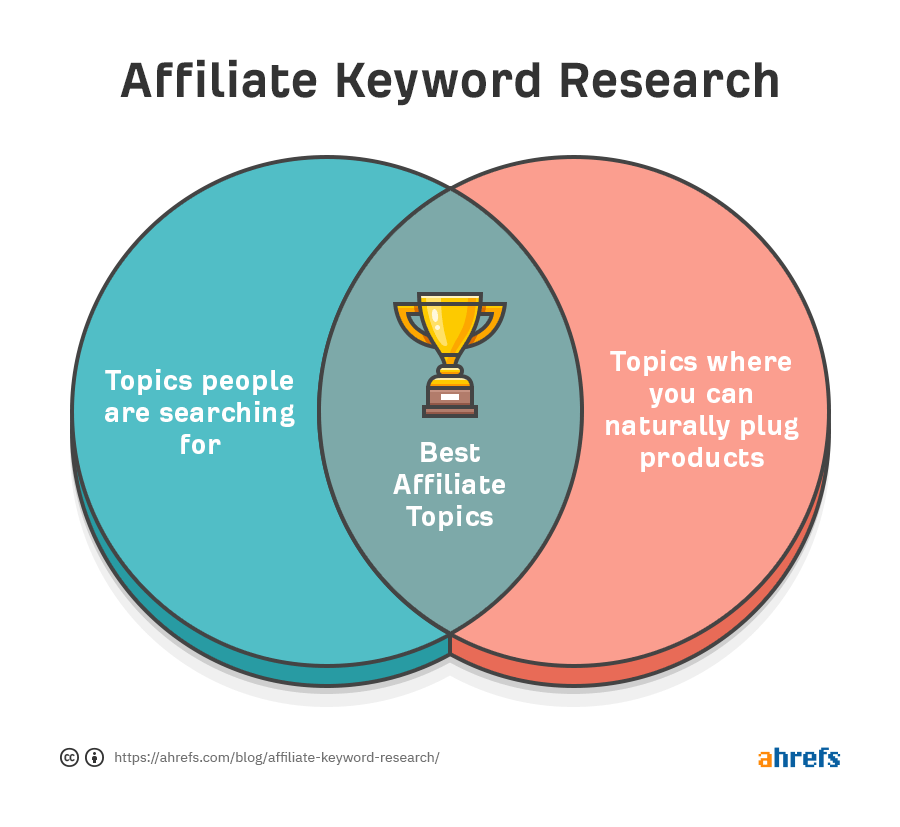
Without keyword research, you're essentially writing into the void. You might produce excellent content — but if nobody is searching for those topics (or if the competition for those search terms is too fierce), your content may never get discovered. (affiliatehelpcenter.com)
What Keyword Research Teaches You: Insights Behind the Searches
Good keyword research gives you more than a list of words. It gives you an understanding of what people want — their problems, their doubts, their buying intent. That helps you shape your content accordingly. (affiliatechoice.com)
Often, people search not for general information but something specific: e.g. “best budget running shoes under ₹3000”, or “cheap budget smartphone with good battery India 2025”. These are clearly buyer‑intent searches — indicating someone is ready to purchase. If you tap into such keywords, your chances of conversion (i.e. affiliate sales) become much higher than just writing broad informational articles. (ajayaggarwal.com)
Also, keyword research helps you spot market demand and trends — what topics, products or questions people are actively searching for now. That helps you avoid wasting time on content nobody cares about. (ajayaggarwal.com)
Finally, through keyword research you can find less-competitive niches — those “long‑tail” opportunities that bigger players may ignore. That way, even a small blog or beginner affiliate marketer can rank well and get traffic. (Search Atlas - Advanced SEO Software)
Short-Tail vs Long-Tail Keywords: What’s the Difference (and What Should You Target)
When doing keyword research, you’ll come across two broad types of keywords: short-tail (head) keywords and long-tail keywords.
Short-tail keywords are short, general phrases — maybe one or two words. For example, “laptop”, “shoes”, “best phone”. These tend to have high search volume but also very high competition. It’s usually hard for a small or new affiliate blog to rank well for these. (affiliatechoice.com)
On the other hand, long-tail keywords are longer, more specific phrases — like “best budget gaming laptop under ₹50000 India”, or “comfortable running shoes for flat feet men under ₹2000”. These have lower search volume (fewer searches per month), but they are less competitive and often have higher conversion potential, because the searcher’s intent tends to be more focused. (affiliatechoice.com)
As a result, many affiliate marketers — especially beginners — find it more effective to target long-tail keywords early on. It helps them rank faster, attract targeted traffic, and get conversions. (ThirstyAffiliates)
How to Do Keyword Research for Affiliate Marketing: Step‑by‑Step
Here’s a practical process for doing keyword research, especially if you’re starting out:
1. Choose a Niche
Start by defining a niche — a specific topic or product category you want to focus on. For example: “home‑kitchen gadgets”, or “budget smartphones in India”, or “yoga gear for beginners”. Having a narrow niche helps in building authority and targeting the right audience. (Hostinger)
2. Use Keyword Research Tools
There are many popular tools — free and paid — that help you discover keywords, estimate their monthly search volume, see how competitive they are, and get suggestions for related keywords. Some commonly used ones are: (ajayaggarwal.com)
-
Google Keyword Planner (free — associated with Google Ads) (pezabey.com)
-
Ahrefs (keyword explorer, content gap tools) (Ahrefs)
-
SEMrush — widely used for both keyword and competitor analysis. (ajayaggarwal.com)
-
Other tools & extensions (some free/affordable) like Ubersuggest, AnswerThePublic, and others. (ajayaggarwal.com)
Start with a “seed keyword” — a general term in your niche (e.g. “robot vacuums”, “budget smartphone”, “yoga mat”) — and let the tools suggest many related keywords/phrases: longer versions, questions, comparisons, and so on. (commission.academy)
3. Analyze Keyword Metrics and Search Intent
Once you have a list, don’t just go for the highest volume. Instead, consider several factors:
-
Search volume — roughly how many people search that keyword per month. (mgid.com)
-
Competition / Difficulty — how hard it might be to rank for that keyword. If many big, authoritative sites target it, you may struggle. (ThirstyAffiliates)
-
Search intent — what is the user trying to do? Are they seeking information (“how to choose a yoga mat”), comparison (“Best vs worst yoga mats”), ready to buy (“buy yoga mat online India”), or something else? For affiliate marketing, keywords with commercial or transactional intent often perform best. (mgid.com)
Long‑tail keywords that reflect strong buyer intent tend to convert better, even if they have lower search volume. (Search Atlas - Advanced SEO Software)
4. Map Keywords to Content Types / Strategy
Once you have decided on the keywords, plan what kinds of content you will create. For example:
-
Informational/tutorial content (if keyword intent is informational)
-
Review/comparison posts (if people are researching products)
-
“Best of” lists or “top picks” (for product discovery)
-
Buying guides (for purchase-ready audiences) (mgid.com)
This helps you stay organized — each post has a clear purpose and intent aligned to what the user is looking for. (mgid.com)
5. Avoid Keyword Stuffing — Write Naturally
Just inserting a keyword repeatedly won’t help. Search engines are smart enough to recognize what the content is about. Instead, write naturally: use your main keyword in the title, in some subheadings, naturally in the first 100 words, and a few times throughout the article — but only where it feels natural. Also include synonyms, related phrases and variations. (mgid.com)
Good content flows — it doesn’t feel forced or spammy. That not only helps your readers, but also improves your chances with search engines. (mgid.com)
6. Build a Keyword Map / Content Plan
Rather than writing isolated articles with random keywords, build a keyword map or content plan. That means grouping related keywords under broader topics (or “clusters / silos”), and planning content accordingly. For example, a cluster about “budget laptops” might include: “best budget laptops under ₹40000”, “budget gaming laptops under ₹50000 India”, “cheap laptops for students 2025”. This helps build topical authority and avoids content overlap. (mgid.com)
Also, linking related posts internally helps readers navigate and tells search engines your site is well-structured and authoritative. (mgid.com)
Common Mistakes & How to Avoid Them
Even with keyword research, many beginners — and sometimes even experienced affiliate bloggers — go wrong. Here are some common pitfalls, and how you can avoid them:
First, chasing only high‑volume, short‑tail keywords. That often means high competition, and less chance to rank. Instead, moderate or low-volume long-tail keywords with clear intent can yield better results. (ThirstyAffiliates)
Second, ignoring search intent. Writing an informational article when users are looking to buy, or creating product reviews when users just want to learn — mismatch between content and intent results in poor engagement. Always analyze what people really want when they search. (mgid.com)
Third, not optimizing content structure or SEO basics. Keyword research alone is not enough: good metadata (title tags, descriptions), readability, proper headings, internal links — these also matter for ranking. (Printify)
Fourth, overstuffing keywords. Forcing too many keywords — or using them unnaturally — can make the content spammy and drive away readers (and search engines). It’s always better to write naturally, with keywords worked in smoothly. (mgid.com)
Finally, not updating or expanding content. Market demands change, competitors evolve, search behavior shifts. So, what worked last year may not work as well today. Regularly revisiting and updating old content, or adding new related posts, helps maintain relevance. (affiliatehelpcenter.com)
Putting It All Together: How a New Affiliate Marketer Can Use Keyword Research to Succeed
Let’s paint a realistic scenario — you are starting fresh, you don’t have much traffic or domain authority yet, but you want to build an affiliate blog. Here’s how you can use keyword research effectively:
-
Pick a narrow niche — maybe “budget smartphones in India” or “eco-friendly home products”.
-
Use a tool like Google Keyword Planner, Ahrefs or Ubersuggest — enter a few seed keywords and build a long list of related keywords (questions, long‑tail phrases, comparison searches).
-
Filter those keywords: choose ones with reasonable search volume but low/medium competition, and with clear product intent (not too broad).
-
Plan content: build a “content map” with a mix of article types — e.g. how-to guides, product reviews, best-of lists, comparison posts — depending on intent.
-
Write content naturally: use main keywords in title and headings, but prioritize readability and relevance. Provide real value (i.e. help the reader decide, compare, learn).
-
Internally link related posts; over time, build clusters around subtopics to show authority.
-
Monitor performance: if some articles do well, expand them; if competition increases or demand changes, do fresh keyword research and update content.
If you do this consistently — with patience and quality — over time you’ll start seeing organic traffic and affiliate conversions.
Why Keyword Research Is More Important Now Than Ever
Search engines today — especially giants like Google — have become smarter. They don’t just match exact keywords; they try to understand context, user intent, and content quality. That means high-value content, which truly answers users’ questions or solves problems, gets rewarded. (Printify)
Moreover, competition in affiliate marketing is fierce. Many people — blogs, YouTubers, social content creators — are vying for attention. If you don’t research keywords carefully and align your content with market demand and user intent, you may never get discovered. Keyword research helps you avoid guesswork, stay strategic, and increase your chances of success.
Finally, as market trends change — new products launch, seasons change, consumer behavior shifts — keyword research gives you a dynamic pulse of what’s hot. It helps you stay relevant and adjust your content strategy accordingly. (affiliatehelpcenter.com)
Conclusion
Keyword research is not just a preliminary step — it’s the foundation of any serious affiliate marketing strategy. It tells you what people are searching for, what they need, and when they are ready to buy. By doing keyword research carefully and strategically, you connect your content to real demand.
For a beginner affiliate marketer, this means you no longer rely on guessing or hope. Instead, you create content that has a clear purpose and a real chance to rank, get traffic and earn commissions.
Whether you are writing blogs, creating review pages, or building product guides — take the time to research keywords, analyze intent and competition, and plan your content around that. It makes your work smarter, not harder.