
In today’s online world, having a digital marketing strategy isn’t optional — it’s essential. Whether you run a small business, blog, or plan to launch a startup, knowing how to attract, engage, and convert people through digital channels can make a big difference. In this blog, I will walk you through the full journey of building a digital marketing strategy — step by step, in simple language.
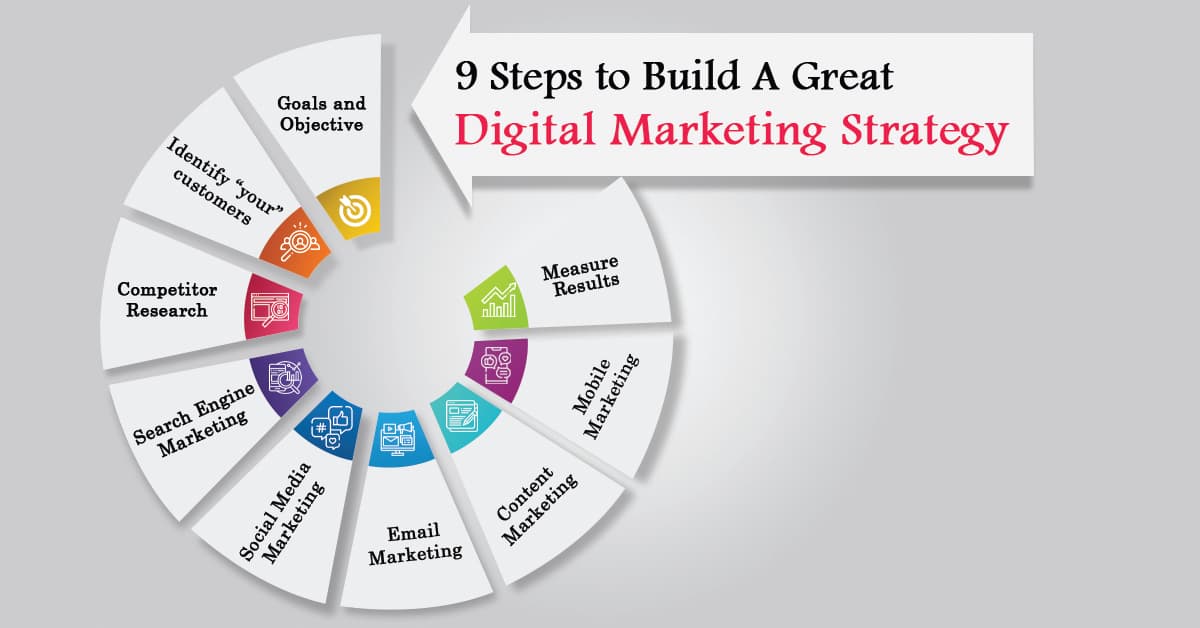
What is a Digital Marketing Strategy?
A digital marketing strategy is a plan. It explains how you will use online tools — like your website, social media, content, email — to reach people, build relationships, promote your services/products, and eventually convert them into customers. It’s not about doing everything at once, but doing the right things with a clear purpose in mind.
A good digital marketing strategy helps you:
-
Know who your audience is.
-
Figure out where to reach them.
-
Decide what to say.
-
Keep track of whether things are working.
-
Adjust your approach based on what you learn.
Step 1: Define Clear Goals (Your “Why”)
Before you start doing anything, ask yourself: What do I want to achieve?
These goals must be clear, realistic, and measurable. Many experts advise using the “SMART” framework: Specific, Measurable, Achievable, Relevant, Time‑bound. (limecube.co)
For example:
-
Increase website visitors by 30% in 6 months.
-
Get 100 new email subscribers in 3 months.
-
Generate 50 qualified leads per month.
-
Improve product sales via online channels by 15% in 4 months.
Having well‑defined goals gives direction to your strategy. It helps you stay focused and prevents you from wasting time or resources on random efforts.
Step 2: Understand Your Audience (Who Are You Talking To?)
It’s not enough to want “more people.” You need to know which people. Who is your ideal customer or reader? What are their interests, problems, and needs? Where do they spend time online?
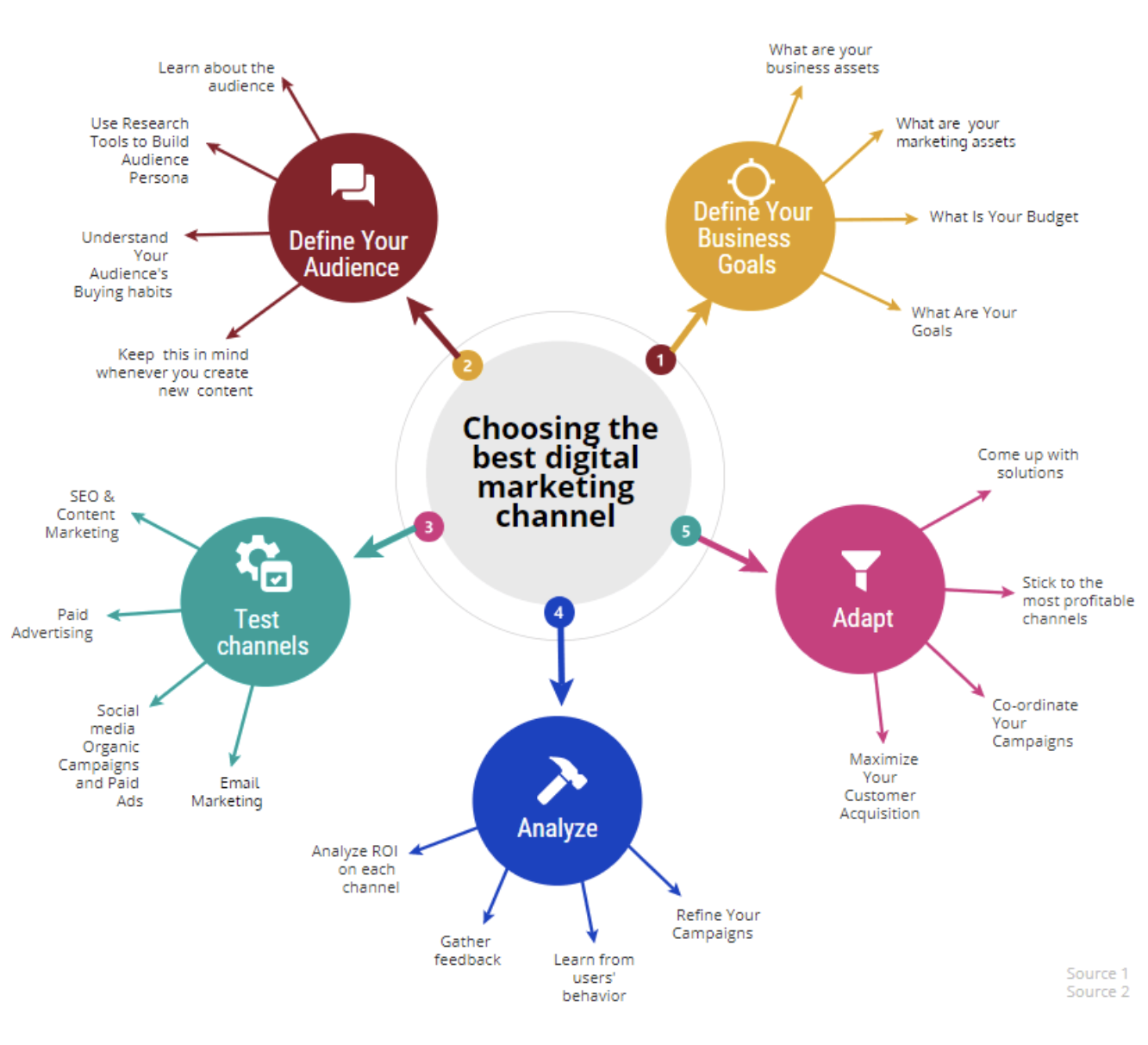
To do this, you build what marketers call buyer personas — fictional descriptions of your ideal visitors/users/customers. Include details like age, interests, occupation, challenges, goals, online habits. (limecube.co)
You can collect this data in several ways:
-
Use website analytics (if you already have a site).
-
Survey existing customers or audience.
-
Check social media analytics.
-
Research general demographics and interests for your target group.
When you know your audience well, you can shape your content, tone, and channels to appeal directly to them — which improves engagement and conversions.
Step 3: Audit What You Currently Have
If you are just starting — this step means taking stock of what tools/online presence you currently have (if any). If you're already active online — this means checking what’s working, what’s not.
A proper “digital audit” involves:
-
Examining your website: its design, user‑experience, loading speed, mobile‑friendliness, content quality, SEO performance. (limecube.co)
-
Looking at social media: which platforms you use, how often you post, how audiences engage, what content gets more response. (cpsmi.com)
-
Reviewing other assets: content (blogs, videos), email lists, previous campaigns — what worked and what didn’t. (limecube.co)
This audit helps you understand your strengths and weaknesses. For instance, maybe your website looks good but loads slowly; or your social media gets many followers but little engagement. Knowing this helps you decide where to invest effort.
Step 4: Analyze Your Competitors
You’re not alone — many businesses or creators are doing similar things. Observing competitors can help you learn what works (and what doesn’t) — and find gaps where you can stand out.
Competitor analysis includes:
-
Identifying your main competitors (direct or indirect) in your niche. (limecube.co)
-
Studying their website, content, social media presence, SEO rankings, ad campaigns. (cpsmi.com)
-
Noting what they do well (content ideas, design, engagement tactics) and what they miss (poor user experience, weak social interaction, bad content).
-
Finding opportunities where you can do better or different — maybe better content quality, more clarity in messaging, or better targeting.
Competitor analysis helps you position yourself more strategically, instead of copying everyone else. Doing something slightly different or better can give you a competitive edge.
Step 5: Choose the Right Channels (Where to Show Up)
There are many ways to reach people online — but you don’t need to be everywhere. It’s smarter to pick a few channels that fit your audience and goals. Common digital marketing channels include:
-
Search engines (SEO, content marketing) — good for long-term visibility. (cpsmi.com)
-
Social media (Facebook, Instagram, LinkedIn, TikTok and others) — helpful for engagement and building relationships. (limecube.co)
-
Email marketing — for nurturing leads, staying in touch with subscribers, offering value over time. (cpsmi.com)
-
Paid advertising / PPC — useful if you want faster results or more reach especially for promotions or new launches. (Businesstechweekly.com)
-
Content marketing — blogs, videos, infographics, podcasts — to educate, inform, or entertain your audience, building trust and authority. (cpsmi.com)
When selecting channels, think about where your target audience spends time, what their habits are, and what kind of content they prefer. It’s better to go deep on a few channels than shallow on many.
Step 6: Develop a Content Plan (What to Say and When)
Once channels are chosen — you need a plan for content. Content is the heart of digital marketing. Without valuable content, other tactics won’t work well.
Your content plan should include:
-
What type of content you will produce (blogs, videos, social posts, emails).
-
What topics or themes to cover — aligned with your audience’s needs, pain points, interests.
-
Frequency and schedule (for consistency).
-
How you will promote the content (on social media, email, paid ads, SEO).
Good content educates, entertains, or solves problems. It builds trust. Over time, quality content draws people to you, builds relationships, and encourages engagement or purchases. (limecube.co)
Planning also means scheduling — having a content calendar, deadlines, and responsibilities (who will write, design, post). That helps you remain consistent, which is critical for building a brand online. (Chris Koehl)
Step 7: Set Budget and Resources
Digital marketing doesn’t always have to be expensive — but it does require some resources: time, effort, tools, maybe money.
You should decide:
-
How much you’ll spend (on ads, tools, content creation, freelancing). (bluelinks.agency)
-
Who will do what (if you have a team), or if you’ll outsource.
-
How much time you’ll commit (content creation, posting, monitoring).
Be realistic — especially when starting small. It’s better to start with a manageable budget and scale up as you see results.
Step 8: Execute — Launch Your Strategy
Now comes the action. With goals, audience, channels, content plan, and resources ready — start executing. That means:
-
Publish content.
-
Post regularly on social media.
-
Start SEO work (optimize website, blog posts, on-page SEO).
-
Send out email campaigns if applicable.
-
Run paid ad campaigns if included.
During execution, pay attention to quality and best practices. It’s better to do a few things well than many things poorly. (Forbes)
Step 9: Track, Measure, and Analyze Performance
One of the biggest advantages of digital marketing is — everything can be measured. You can see what works and what doesn’t. This is crucial to avoid wasting effort or resources.
Identify your KPIs (Key Performance Indicators) based on your goals:
-
Website traffic and engagement (pageviews, bounce rate, session time). (Adobe Business)
-
Conversion rate (how many visitors turn into leads or customers). (lopesventures.com)
-
Social media engagement (likes, shares, comments, follows). (Adobe Business)
-
Email metrics (open rate, click rate) if using email marketing. (cpsmi.com)
-
Return on investment (ROI), cost per lead, cost per acquisition if you are running ads. (We Do This Best)
Use analytics tools — like Google Analytics, social media insights, ad dashboards — to collect and analyze data regularly. (Chris Koehl)
Step 10: Optimize and Evolve — Digital Marketing Is a Continuous Process
Digital marketing is rarely “set and forget.” What works today might not work tomorrow. Based on your data and results, you need to revise and refine your approach. Maybe certain content types perform better, maybe some channels are not worth time, or your audience preferences shift.
Adjustments can include:
-
Changing content topics or formats.
-
Posting at different times or on different platforms.
-
Tweaking ads, budget, or targeting.
-
Improving website performance or user experience.
-
Testing new tactics like email automation, influencer marketing, video content, etc. (mohalischoolofdigitalmarketing.com)
Over time, a consistent, data‑driven approach helps you grow your audience, improve conversions, and build a strong digital presence.
Why This Step‑by‑Step Approach Matters
Without a strategy, digital marketing is like wandering without direction — you might try lots of things, but results will be scattered or minimal. A structured strategy:
-
Gives you clarity — you know what you want and how you plan to get there (goals, audience, channels).
-
Helps you save time and resources — by focusing on what works and avoiding waste.
-
Lets you measure success — so you know whether your efforts are paying off.
-
Enables growth — because with data and optimization you improve over time.
Especially in 2025, where trends, tools, and customer behaviours change rapidly, being methodical and flexible helps you stay relevant and effective. As some marketers note, it’s better to do fewer things well than many things poorly. (Forbes)
Some Modern Considerations (2025 and Beyond)
Digital marketing today is evolving fast. A few recent considerations:
-
Personalization & AI-driven content: Modern strategies often leverage data and AI (for example, to tailor content or ads based on user behavior). (techmagnate.com)
-
Mobile optimization: As many people browse on smartphones, ensure your website and content are mobile-friendly and fast-loading. (Forbes)
-
Focus on user experience and authenticity: Rather than just pushing sales, focus on building value, trust, and relationships through helpful content and genuine interactions.
-
Flexibility and continuous testing: Use A/B tests, data insights, and adapt to changing trends. A rigid plan rarely survives long without adaptation. (Chris Koehl)
Final Words
Digital marketing doesn’t need to be complicated. When broken down into clear steps, it becomes manageable — even if you’re starting with nothing. The key is to begin with a solid foundation: clear goals, understanding your audience, and a realistic plan. From there, consistency, quality content, data‑driven decisions and flexibility will take you forward.
If you’re ready — start today: define your first goal, think about who you want to reach, and sketch a simple content plan. Over time, you’ll see how small, steady efforts add up.