
What are High‑CPC Keywords — and Why They Matter
When you run a blog monetized with ads (for example via Google AdSense), you get paid based on how much advertisers are willing to pay for each click on an ad shown on your blog. That payment is represented as CPC (Cost‑Per‑Click). Some keywords — i.e. certain search terms — tend to command much higher CPC.
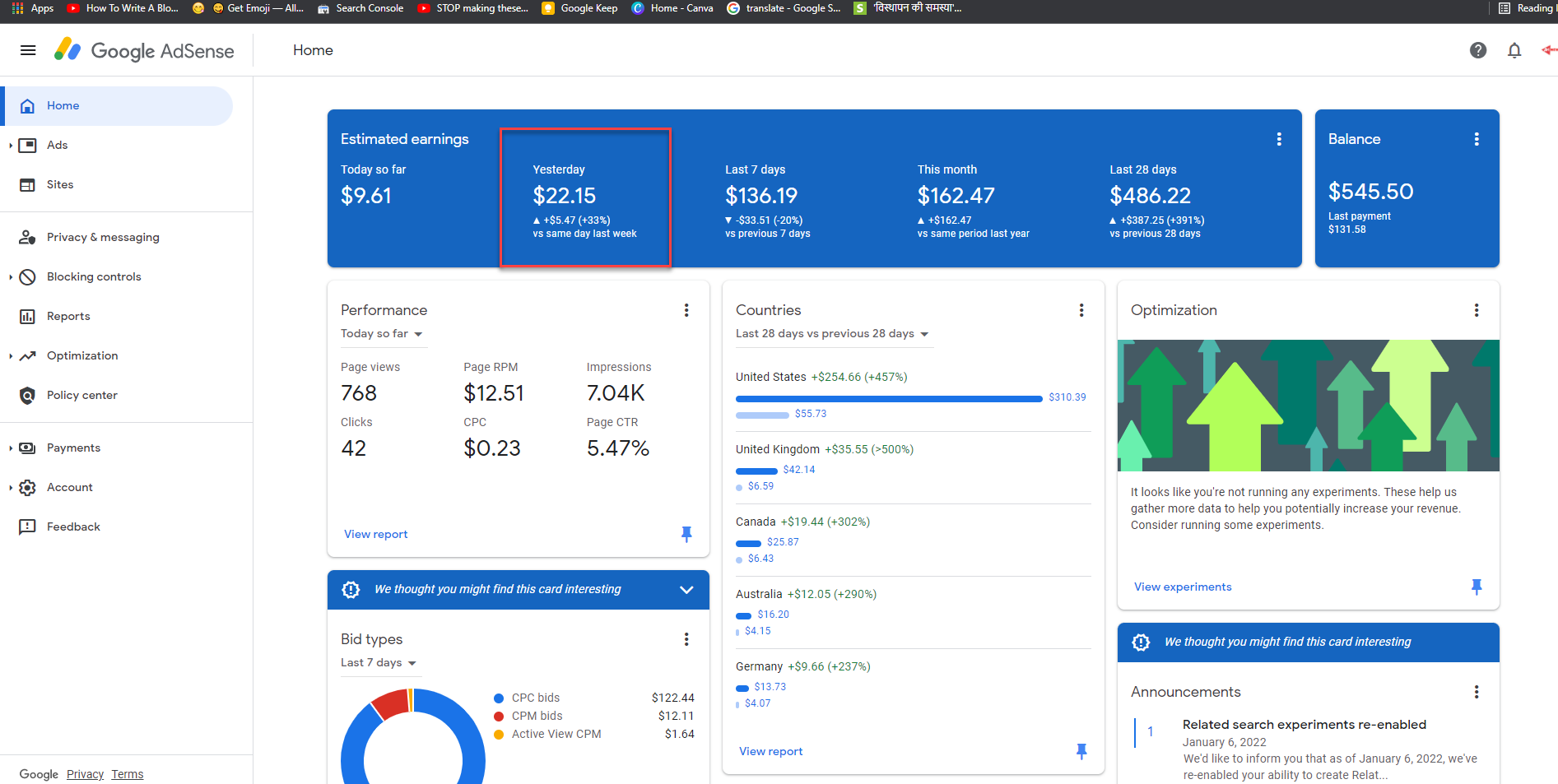
Why? Because for those keywords, advertisers expect high value from leads or sales. So they are willing to pay a premium for clicks. That means if your blog ranks for those keywords (and people click on ads), you can get much more revenue per click, even if your overall traffic is modest. (blogerhub.com)
That’s why understanding and targeting high‑CPC keywords can dramatically increase your blog’s earning potential — it’s not just about lots of visitors; it’s also about right keyword + user intent + advertiser demand. (blogerhub.com)
Niches & Keywords That Often Offer High CPC

Based on recent data and trends, here are some of the most profitable niches — and example keyword‑types — that tend to have high CPC. (tridaltechworks.com)
-
Insurance & Financial Services
Keywords like “best life insurance”, “car insurance quotes”, “business liability insurance”, “home loan interest”, etc. are among the highest paying. (Sarkari List) -
Legal / Attorney‑related
Phrases such as “personal injury lawyer”, “car accident attorney near me”, “mortgage attorney”, “lawyer consultation”, etc., attract high advertiser bids. (tridaltechworks.com) -
Real Estate & Mortgage / Loans
Terms around “mortgage refinance rates”, “home loan rates”, “commercial real estate loans”, “mortgage advice” often yield high CPC because real estate and mortgages mean big money for advertisers. (newormedia.com) -
Tech & SaaS / Web Services
Keywords like “best web hosting for eCommerce”, “cloud hosting”, “VPN services for privacy”, “best CRM software for small business” — these get good CPC because businesses pay for software and services. (newormedia.com) -
Healthcare / Medical Treatments / Wellness
Medical‑ or wellness‑related keywords — especially those tied to treatments, health insurance, clinics, medical procedures — tend to have higher CPC than many general niches. (tridaltechworks.com) -
Education / Online Learning / Professional Courses
Keywords like “online MBA programs”, “data science certification courses”, “coding bootcamps with job placement” — due to high-value conversions (education, enrolments) — can also offer decent CPC. (tridaltechworks.com)
How to Find High‑CPC Keywords — Tools & Strategy
Finding good keywords isn’t guesswork. Here’s a reliable approach to discover and vet high‑CPC keywords for your blog:
Use Keyword Tools with CPC Data:
-
Use free tools like Google Keyword Planner — this shows average CPC, search volume, competition. Very useful for bloggers. (earnwithaadi.in)
-
Another tool is Ubersuggest — good for checking keyword CPC and difficulty even without Google Ads account. (earnwithaadi.in)
Filter with CPC & Competition:
-
Don’t just pick high CPC — also consider how competitive the keyword is. Sometimes very high‑CPC keywords belong to niches dominated by big players, making it hard to rank. Aim for medium competition + reasonable search volume + decent CPC.
Mix Long‑Tail & High‑Intent Keywords:
-
Instead of broad keywords (which are often too competitive), go for long-tail, more specific phrases. E.g. “best mortgage refinance rates 2025 India”, or “how to get affordable life insurance for seniors”. These often have lower competition and still good CPC/potential.
Create In‑Depth, Valuable Content:
-
Advertisers pay more for high-intent keywords — people searching those phrases likely have serious intent (loan, insurance, legal help, etc.). Your blog post should deliver thorough, helpful content (guides, comparisons, FAQs) to match that intent.
Blend With Evergreen & Trending Topics:
-
Some niches (like finance, health, SaaS) remain relevant over time — these are evergreen. Others (newer tech, trending SaaS tools) may be seasonal/trendy. Mix both to balance steady income and growth potential.
What a High‑CPC Blog Strategy Looks Like
Imagine you have a blog that covers several of the above niches. Here’s how you can plan the content strategy:
You pick a niche like “Home loans and Mortgages in India”. Then you research long‑tail, high‑intent keywords like:
-
“best home loan interest rates India 2025”
-
“how to refinance home loan in India”
-
“home loan EMI calculator and guide”
You write detailed, helpful articles answering real problems: explain interest rate types, EMI calculations, checklist for refinancing. You optimise for SEO (on‑page, meta tags, internal linking), and include calls‑to‑action, comparison tables, perhaps affiliate or loan‑referral links.
Because the niche has high advertiser demand, clicks on ads (or conversions through affiliate/lead‑gen) are more valuable. So even if traffic is modest, revenue can be significant.
Over time, you add more posts — maybe about “car insurance quotes in India”, “best credit cards for students”, “crypto tax advice” — each in a high‑CPC niche. That diversifies income and reduces risk.
Things to Keep in Mind — Challenges & Best Practices
It’s not always smooth sailing. Some caveats:
-
High competition: High‑CPC niches tend to be very competitive. Big, authoritative websites may dominate search results — so ranking can be tough for new/small blogs.
-
Need depth & quality: Advertiser‑heavy niches also demand high‑quality content. Thin or shallow articles may not attract clicks, or may get poor SEO ranking.
-
Balancing volume & CPC: A keyword with very high CPC but extremely low search volume may not bring enough traffic to matter. Conversely, high-volume but low‑CPC keywords may drive traffic but earn little. The sweet spot is medium‑high CPC + decent volume + manageable competition.
-
User intent & trust: Because these niches often involve money, health, or legal issues — readers expect trustworthy, accurate, well‑researched content. Poor content damages trust and reduces clickthrough/conversions.
-
SEO & Optimization: To rank in such niches, you need good SEO fundamentals: keyword research, on‑page SEO, backlinks, site speed, mobile‑friendliness, etc.
Realistic Expectations: What High-CPC Can (and Cannot) Do
Using high-CPC keywords doesn’t guarantee instant riches — but it does raise the earning potential per visitor.
For example: even if you get 100 visits/day, a modest click rate + decent CPC can yield better income than thousands of visits with low‑value keywords. (blogerhub.com)
Think of it like quality over quantity: fewer but high‑intent readers can bring better earnings. Over time, if you keep producing quality content, diversify niches, and optimize properly — you may build a blog that earns steadily, maybe even full‑time.
Conclusion: High-CPC Keywords — A Smart Strategy for Serious Bloggers
If you’re serious about blogging for income — especially in 2025 and beyond — targeting high CPC keywords is one of the smartest moves. It’s not enough to just write whatever you like or chase trendy topics.
You need to:
-
Research niches and keywords properly (use tools like Keyword Planner, Ubersuggest)
-
Pick niches that balance advertiser demand, competition, and your ability to produce quality content (finance, insurance, tech/SaaS, legal, health, education are strong contenders)
-
Craft in‑depth, helpful, trustworthy content that serves readers’ real needs
-
Stay consistent, patient, and SEO‑savvy — high‑CPC earnings often come over time
If you follow this path, even a blog with moderate traffic can become a decent source of revenue, simply because each ad click brings more value.