
If you’re thinking about making money online without constantly trading hours for rupees, passive income might be just what you’re looking for. The idea is simple: you do some work up front — maybe write a blog post, design a digital template, or record a video — and then that work keeps earning for you, even when you're sleeping or focusing on something else. Over time, with consistency and wise choices, these income streams can build up into something meaningful.

Below, I’ll walk you through what passive income really means, why many people prefer it, and a variety of online-friendly ideas you can start with — even if you’re just a beginner.
What is Passive Income — And Why Care?
Passive income isn’t about “get rich quick.” Instead, it’s about “set up once, benefit over time.”
Rather than exchanging every minute of your time for money (like a typical 9-to-5 job), passive income lets you do upfront work — such as creating content or investing — and then reap rewards repeatedly with little to no active effort. (EarnIn)
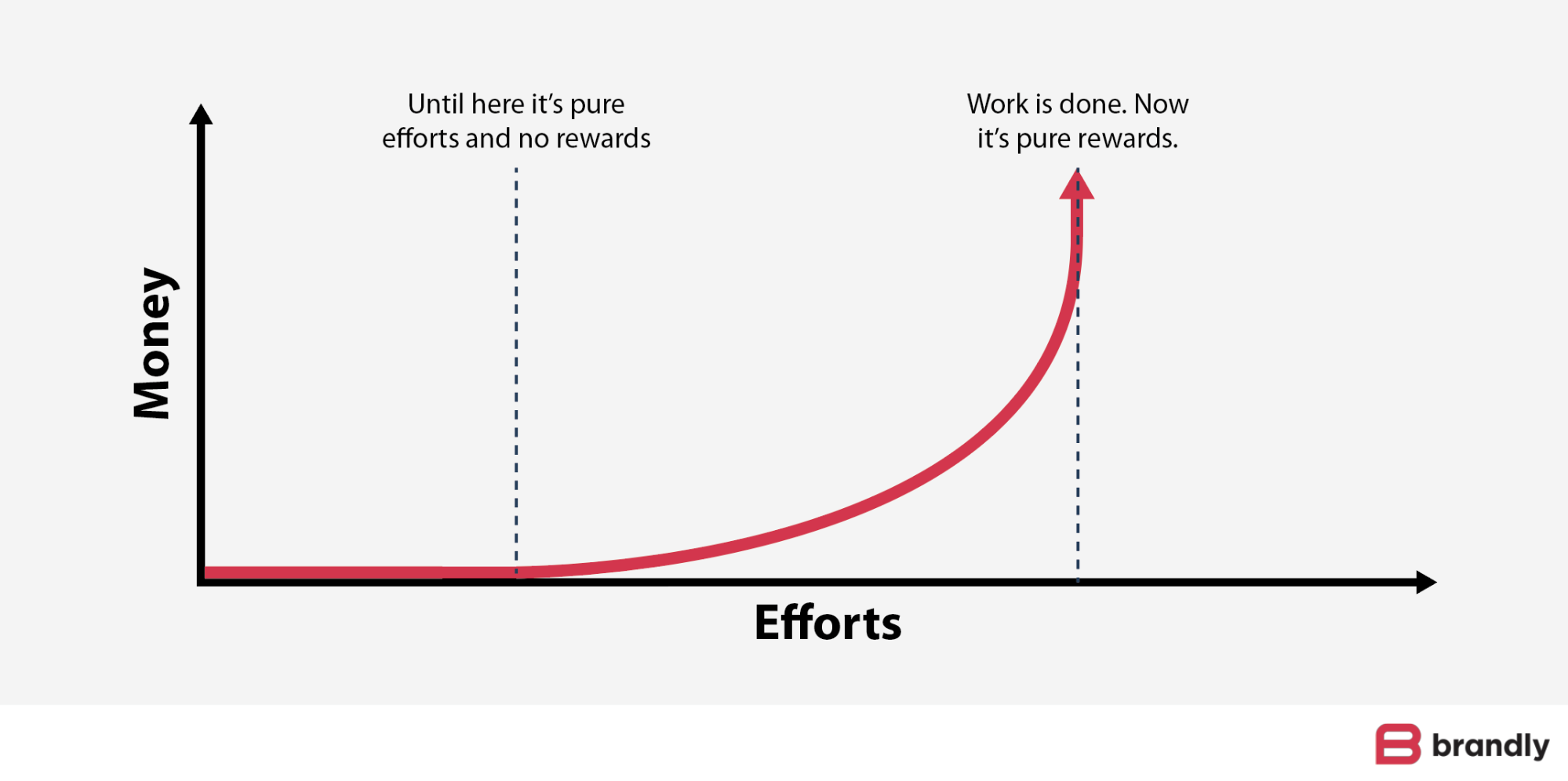
Why many people aim for passive income:
-
Flexibility: You decide when and how much you work. Once a system is in place, it can run itself.
-
Multiple income streams: Instead of relying on a single salary, you can build several income sources — which provides financial security.
-
Scalability: Some methods can grow over time — e.g. a blog with growing readership, or digital products that sell globally.
-
Low starting cost: Many online methods need little or no investment — just time, skill, or creativity.
If you’re new to this idea, starting small and simple is often the best path.
Beginner‑Friendly Online Passive Income Ideas
Here are several online passive income ideas that are especially suitable for beginners. You don’t need to be rich or super tech‑savvy — just willing to invest a bit of time and thought.
1. Sell Digital Products: eBooks, Templates, Printables
If you have knowledge, creativity, or even a hobby — you can turn it into a digital product. For example: write an eBook, make planners or templates, design printable organizers, or create digital art/graphics. Once uploaded, these can sell worldwide and repeatedly. (Vineesh Rohini)
People in India are doing this too — selling things like simple guides, study planners, or content templates via platforms like Gumroad, Payhip or similar. (Smart India Money)
Benefit: Low cost, no shipping or inventory headaches, and you can reach a global audience.
2. Start a Blog or Niche Website
Blogging remains a proven and powerful passive income avenue. Pick a topic you’re interested in — could be programming (since that’s your background), hobbies, personal finance, travel, education, or anything you like. Write helpful, quality articles and optimise them for search engines (SEO). Over time, as traffic grows, you can monetise via ads, affiliate marketing, or sell your own digital products. (passiveincomeideas.org)
Good blogs with evergreen content can keep generating traffic and income for years — long after you write the initial content. For many beginners, this becomes a “set‑and‑grow” income channel.
3. Create an Online Course or Tutorial Content
If you have a skill — for instance programming (which you do), design, language learning, or any knowledge — you can create an online course. Once the course is live on platforms like e‑learning sites (or even your own blog/website), students keep enrolling, and you keep earning. (EarnIn)
With the growth of online learning globally, courses — especially niche or in‑demand ones — can reach learners far beyond your local region.
4. Make Videos or a YouTube Channel (Possibly “Faceless”)
Videos are huge in 2025. With a smartphone and basic editing tools, you can start a channel. Some people even run “faceless” channels: using voiceovers, stock footage or animations instead of appearing on camera. Monetisation comes via ads, affiliate links, sponsorships, or directing viewers to your digital products or blog. (learnwithrise.com)
If you stick to consistent uploads and target topics that people are searching for (tutorials, reviews, storytelling, explanations), a successful channel can bring steady passive income over time.
5. Affiliate Marketing: Promote Others’ Products
Affiliate marketing lets you earn a commission when someone buys a product through your referral link. This works beautifully if you already run a blog, YouTube channel, or even social-media — you recommend useful products, and get a share when people purchase. No need to create or own products yourself. (Smart India Money)
Because many global and Indian e‑commerce and digital platforms provide affiliate programs, this method can scale quite well with content reach.
6. Print‑on‑Demand (POD) Merchandise
If you have creative flair — design T‑shirts, mugs, posters, phone cases, etc. — print‑on‑demand services take care of printing and shipping when someone orders. You just supply the design. Once your designs are up, sales can continue with minimal involvement. (passivemint.io)
This reduces the risk and cost associated with traditional inventory-based e-commerce.
7. Invest in Dividend Stocks or REITs (If You Are Comfortable)
While not purely “online business,” investing in dividend‑paying stocks or Real Estate Investment Trusts (REITs) can count as passive income. You invest money, and periodically receive dividends — a kind of “set-and-forget” income, if you’re OK with some financial knowledge and risk. (Smart India Money)
This method requires initial investment and some research — but over time, properly diversified investments can provide stable returns.
What Other People Say — Real‑Life Beginner Experiences
Sometimes hearing from real people helps understand what’s realistic. For example, on Reddit one user shared:
“I started from scratch — no audience, no tech background, and $10 to test ideas. … I used Prolific and Respondent. I made $60 in my first week.” (Reddit)
They tried multiple approaches — paid surveys, digital product reselling, affiliate marketing — and found some small but real income within a short time.
Another user talked about writing an eBook of “40 unique AI prompts,” uploading it to a simple store, and later collecting income via sales, mostly hands‑off. (Reddit)
These stories show: you don’t need to be a tech wizard or have big money to begin. What really helps is consistency, willingness to learn, and patience.
What To Keep in Mind — Challenges and Realistic Expectations
Passive income is appealing — but it’s not magic. Often, three things matter most: time, consistency, and smart execution.
-
Initial effort matters: You may need to write several blog posts, design multiple digital products, or create a number of videos before you see meaningful income.
-
No guaranteed success: Just starting a blog or YouTube doesn’t ensure big earnings. It takes time for content to rank, for viewers or customers to find you.
-
Competition is high: Many people worldwide are trying similar things — so differentiation and quality matter.
-
Maintenance sometimes needed: Even “passive” income often needs occasional updates — refreshing old blog posts, keeping digital products relevant, adjusting to changing markets.
-
Patience required: Returns may be small at first. But if you stick to it and gradually improve, it can grow steadily.
One Reddit user (on r/passive_income) said:
“Most people fail because they try 5 different things at once. When I stopped jumping around and followed one system step‑by‑step, things actually started working.” (Reddit)
This rings true — better to pick one approach that suits you, understand it, commit to it, and then expand.
What Might Work for You (Given Your Background)
Since you told me you have a programming background, here are a few passive income methods tailored to that:
-
Start a technical blog or website about programming, coding tutorials, or solutions to common problems. Monetise with ads or affiliate links to developer tools/books.
-
Create a digital product — maybe a small eBook or guide about a programming topic. Or templates/snippets/utilities for other developers.
-
Build and sell a simple software tool, plugin, or script — for example, a productivity tool, or a helpful utility. Once built, you can license it or list it on marketplaces.
-
Make a YouTube channel giving coding tutorials, best practices, or project walkthroughs. Over time, ad revenue + sponsorships + affiliate links can build up.
-
Offer online courses — e.g. beginner-friendly courses on a programming language, web development, or software tools.
Your programming experience gives you a base of knowledge — but what will matter most is: how clearly you present your ideas, how consistent you are, and whether you understand what people out there want to learn.
Getting Started — Simple Steps
If you want to begin today, here’s a simple plan:
-
Choose 1 idea that matches your skills or interests (blog, digital product, course, etc.).
-
Set realistic expectations — plan for slow growth, not overnight wealth.
-
Spend some time learning — read about SEO, content writing, marketing basics, or platform guidelines.
-
Create and publish your first content/product — even if it’s rough. Don’t wait for “perfect”.
-
Promote what you made — via social media, forums, communities, friends.
-
Monitor, learn, and iterate — see what works, what doesn’t, refine your content and approach.
-
Be patient and consistent — success often comes after persistent effort over months.
Conclusion
Passive income is not a shortcut to getting rich overnight — but it’s one of the most realistic ways to grow side income, build long‑term financial security, or even create a career built around your own skills and interests.
For a beginner — especially someone with a skill like programming — the online world offers many doors. Whether you choose blogging, digital products, courses, or YouTube, the key is to start, stay consistent, learn as you go, and give it time.